Acetaminophen Daily Dose Tracker
Dose Safety Analysis
Note: This tool is for educational purposes and tracking only. Always verify "APAP" or "Acetaminophen" on medication labels. If you suspect an overdose, call poison control or emergency services immediately.
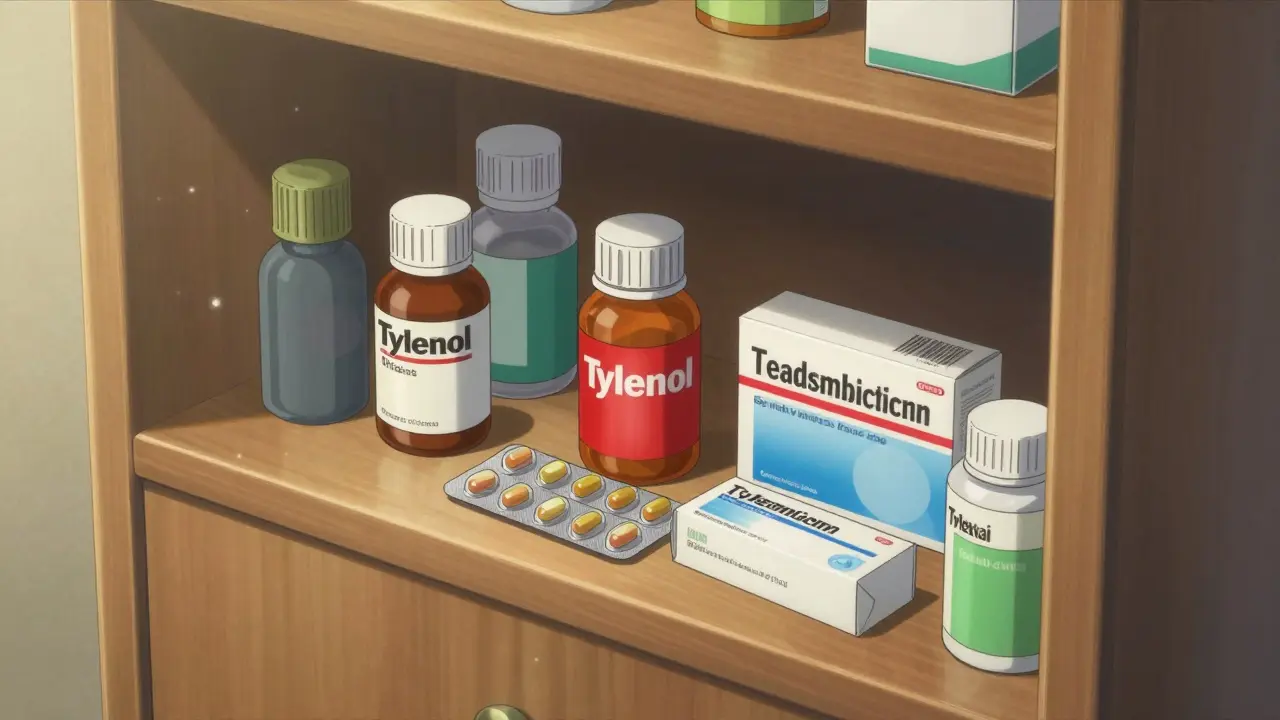
Most of us have a bottle of Tylenol or paracetamol in our medicine cabinet. It seems like the safest bet for a headache or a fever, but there is a hidden danger: the window between a dose that helps you and a dose that destroys your liver is surprisingly narrow. In the United States, acetaminophen is a widely used analgesic and antipyretic medication that is also the leading cause of acute liver failure. This isn't usually because of a single intentional overdose, but rather a "death by a thousand cuts" scenario where people mix different cold medicines without realizing they are all containing the same active ingredient.
Key Takeaways
- The absolute maximum dose for a healthy adult is 4,000 mg in 24 hours.
- People with liver disease or those who drink alcohol regularly should limit intake to 2,000 mg daily.
- Acetaminophen is often hidden in over 600 different medications, including Nyquil and Vicodin.
- The antidote, Acetylcysteine (NAC), is highly effective if given within 8 to 10 hours of overdose.
Why Acetaminophen Can Harm Your Liver
To understand how acetaminophen causes damage, you have to look at how your liver processes the drug. Normally, your liver uses two main pathways-sulfation and glucuronidation-to break the drug down and flush it out safely. However, when you take too much, these pathways get saturated. Your body then switches to a backup system called the cytochrome P450 system, which is a group of enzymes that process the drug into a highly toxic metabolite called NAPQI (N-acetyl-p-benzoquinone imine).
Under normal circumstances, a powerful antioxidant called glutathione neutralizes NAPQI instantly. But when you overdose, your glutathione stores run dry. Once about 70% of your glutathione is gone, the toxic NAPQI starts attacking and killing liver cells (hepatocytes). This process leads to hepatotoxicity, which is the chemical-induced damage to the liver.
Safe Dosing Guidelines for Different Adults
Not everyone can handle the same amount of this medication. While the general rule is a 4-gram limit, your personal health history changes the math. For instance, the Mayo Clinic notes that for some Extra Strength products, they recommend a lower limit of 3,000 mg to be safe.
| User Profile | Max Daily Dose | Single Dose Range | Frequency |
|---|---|---|---|
| Healthy Adult | 4,000 mg | 325 mg - 1,000 mg | Every 4-6 hours |
| Liver Disease / Chronic Alcohol User | 2,000 mg | 325 mg - 500 mg | Every 4-6 hours |
| Pediatric (Child) | 80 mg/kg | 10 - 15 mg/kg | Every 4-6 hours |
If you have hepatitis or other chronic liver conditions, your liver is already struggling. Adding a standard dose of acetaminophen can sometimes worsen your condition because your liver cannot produce enough glutathione to keep the toxic metabolites in check. This is why doctors often tell patients with liver disease to strictly avoid this medication or use it only under heavy supervision.
The Danger of "Hidden" Acetaminophen
The biggest risk isn't usually a person taking 10 pills at once; it's the unintentional overdose. Acetaminophen is an ingredient in over 600 medications. You might take a dose of Tylenol for a headache, then take Nyquil for a cough, and then take Percocet or Vicodin for back pain. Each of these contains the drug, but they are marketed as different products.
In a real-world scenario, someone might take two 500 mg extra-strength pills four times a day, hitting the 4,000 mg limit. If they then add a single dose of a multi-symptom cold medicine, they have officially entered the danger zone. On prescription labels, look for the abbreviation "APAP"-that's the medical shorthand for acetaminophen. If you see APAP on your bottle, you must count those milligrams toward your daily total.

Alcohol and the Toxicity Threshold
Drinking alcohol while taking acetaminophen is a recipe for disaster. Alcohol induces the cytochrome P450 enzymes, which means your body produces more of the toxic NAPQI than it would otherwise. Simultaneously, chronic drinking often depletes your glutathione stores. This "double whammy" lowers your toxicity threshold significantly. While a healthy person might not experience severe failure until they hit 7.5 to 10 grams in a single dose, someone who drinks heavily might suffer severe liver injury at just 2 grams per day.
Recognizing and Treating Overdose
If an overdose is suspected, doctors use a specific tool called the Rumack-Matthew nomogram. This is a graph that plots the concentration of the drug in the blood against the time since ingestion. If a patient's levels are above 150 μg/mL at the 4-hour mark, they are typically put on a treatment plan to prevent permanent liver failure.
The gold standard for treatment is Acetylcysteine (NAC). NAC works by replenishing the liver's glutathione stores, which allows the body to neutralize the NAPQI toxin. It is incredibly effective, but timing is everything. If administered within 8 to 10 hours, it can almost entirely prevent severe liver damage. Even if given up to 16 hours later, it can still reduce the severity of the injury. In cases of extreme overdose (over 10 grams), doctors will often start NAC immediately, even before the blood test results come back, because waiting could be fatal.

Checklist for Safe Use
To keep your liver healthy while managing pain, follow these simple rules:
- Read Every Label: Check for "acetaminophen" or "APAP" in all over-the-counter meds.
- Log Your Doses: Write down the time and amount of every dose to avoid accidental double-dosing.
- Avoid Alcohol: Do not drink alcohol while taking any product containing acetaminophen.
- Use Proper Tools: For children's liquid medicine, use the provided syringe, not a kitchen spoon.
- Consult Your Doctor: If you have a history of liver disease, ask for a specific daily mg limit tailored to your health.
What is the absolute maximum amount of acetaminophen an adult can take?
For a generally healthy adult, the maximum limit is 4,000 mg (4 grams) within a 24-hour period. However, some manufacturers and clinics, such as the Mayo Clinic, suggest a more conservative limit of 3,000 mg daily to provide a wider safety margin.
Can I take acetaminophen if I have liver disease?
You should only take it under strict medical supervision. People with pre-existing liver conditions, such as hepatitis, have a much lower threshold for toxicity. Doctors often recommend limiting the dose to 2,000 mg per day or avoiding it entirely, as the liver's ability to neutralize toxic metabolites is compromised.
Why is alcohol so dangerous when combined with this medication?
Alcohol triggers the enzymes in the liver to produce more NAPQI (the toxic byproduct of acetaminophen) while simultaneously lowering the levels of glutathione, which is the only substance that can neutralize that toxin. This makes the liver much more susceptible to damage, even at doses that would be safe for a non-drinker.
What happens during an acetaminophen overdose?
When the liver's normal metabolic pathways are overwhelmed, it produces an excess of NAPQI. Once the liver's glutathione stores are depleted by about 70%, the NAPQI causes oxidative stress and destroys the hepatocytes (liver cells), which can lead to acute liver failure, renal failure, and death if not treated with Acetylcysteine.
How do I know if a medicine has acetaminophen in it if it's not called Tylenol?
Check the "Active Ingredients" section on the drug facts label. It will be listed as acetaminophen. On prescription medications, it is very often abbreviated as "APAP." Common combination drugs like Nyquil, Percocet, and Vicodin all contain this ingredient.
Next Steps and Troubleshooting
If you suspect you or a loved one has taken too much acetaminophen, do not wait for symptoms to appear. Liver damage often doesn't show symptoms (like jaundice or abdominal pain) until it is too late for the antidote to be fully effective. Call a poison control center or head to the emergency room immediately.
For those managing chronic pain, consider talking to your doctor about alternatives. While NSAIDs (like ibuprofen) have their own risks, they don't have the same narrow window of acute toxicity as acetaminophen. If you must use acetaminophen long-term, set a strict timer and use a dosing log to ensure you never cross your personal safety threshold.