The Hidden Risk in Your Medicine Cabinet
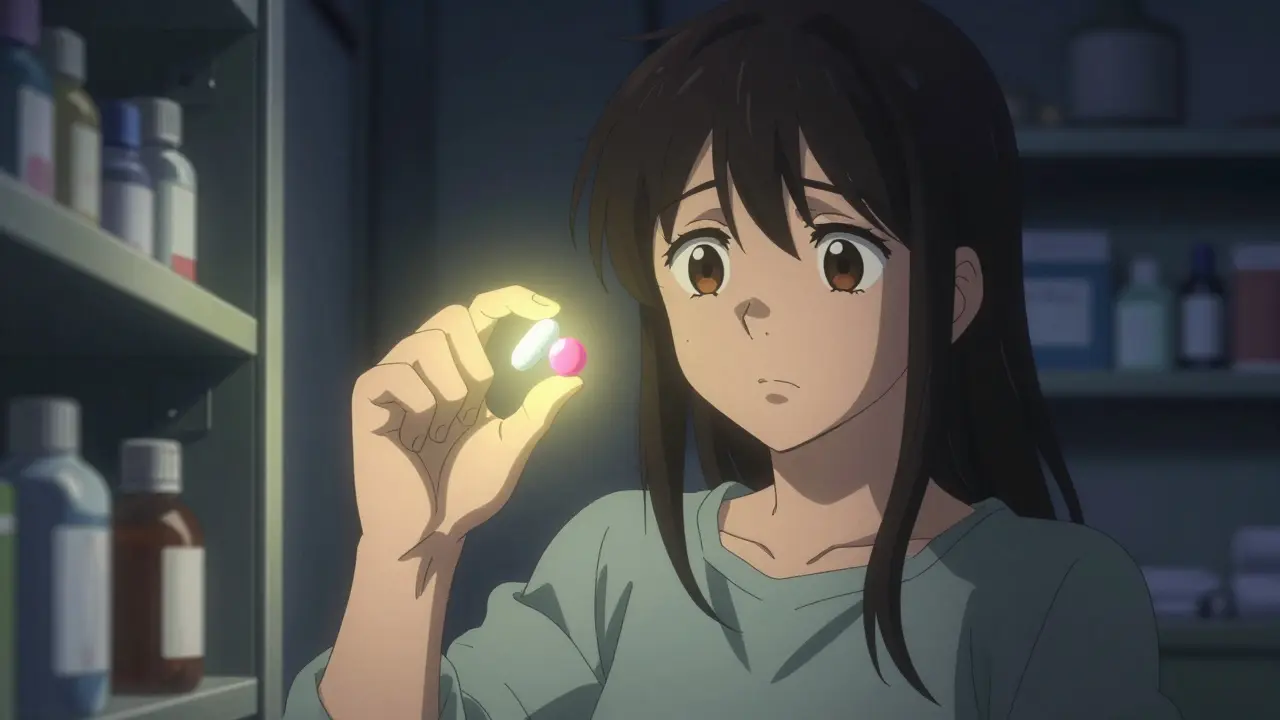
Imagine opening your medicine cabinet to find your daily pill looks completely different from the one you took yesterday. It's pink instead of white, round instead of oval. Do you take it or throw it away? For millions of people, this isn't a hypothetical scenario-it happens regularly when pharmacies switch between manufacturers. This confusion stems from a critical gap between generic medications and our ability to process medical information. When we talk about making medicine safe, we often focus on the chemical composition. However, the human element-specifically health literacy-plays an equal role in whether treatment works.
Health literacy is defined as the capacity of individuals to obtain, process, and understand basic health information and services needed to make appropriate health decisions. In simpler terms, it means having the skills to read a label, follow dosage instructions, and recognize that two different-looking pills might treat the same condition. Without these skills, even life-saving treatments become hazards. The stakes are incredibly high because generic medicines now account for the vast majority of prescriptions globally. While they save money, the visual and packaging differences create unique barriers that brand-name drugs do not.
Why Generic Medications Look Different
Before we discuss solutions, we need to understand the mechanics behind the confusion. A generic drug contains the same active pharmaceutical ingredient as the brand-name version. This is the part that heals you. The inactive ingredients-the fillers, binders, and coatings-can differ between manufacturers. These differences dictate the pill's color, shape, and size. While regulatory bodies like the FDA ensure the active ingredient performs the same, the visual identity changes every time a pharmacy switches suppliers.
This variability creates a massive friction point for patients. Consider the experience of patients managing chronic conditions like diabetes or hypertension. They often rely on muscle memory to identify their doses. When a new look breaks that pattern, alarm bells ring. Research published in the Journal of General Internal Medicine in 2005 highlighted this early on. Community pharmacists reported that patients frequently mistake a legitimate generic switch for a dispensing error. The consequence isn't just confusion; it's dangerous behavior. A study in the Journal of the American Geriatrics Society found that over half of older adults admitted to 'pill dumping'-discarding medication that looked unfamiliar-which leaves them untreated for vital conditions.
| Feature | Brand-Name Drugs | Generic Drugs |
|---|---|---|
| Visual Consistency | High (Same manufacturer) | Low (Varies by manufacturer) |
| Marketing Support | Extensive advertising | Minimal patient info |
| Cost | Higher | Lower (Saves system funds) |
| Patient Trust | Generally high due to familiarity | Often lower due to appearance |
Notice how the "Visual Consistency" row highlights the core problem. Brand names maintain a consistent image because one company controls production. Generics compete, leading to different packaging. A 2016 study in the Journal of Health Communication discovered that 42% of patients could not correctly identify that generics were therapeutically equivalent to brand versions. This misconception fuels distrust. If you believe a generic pill won't work because it looks cheap, you might skip a dose. That belief directly drives the statistics showing Medicare beneficiaries with low literacy are 3.1 times more likely to refuse substitution.
Bridging the Gap: Practical Strategies for Patients
So, how do we fix this? We cannot force the pharma industry to make identical pills overnight, but we can change how we interact with the system. The first step is shifting focus from appearance to the active ingredient. Every medicine box lists the generic name (e.g., metformin, lisinopril) and the brand name. You should prioritize learning the generic name. If the pharmacist hands you a pink tablet instead of a white oval, check the paper label. If the active ingredient matches your prescription, the therapy is the same. This skill acts as your own internal quality control check.
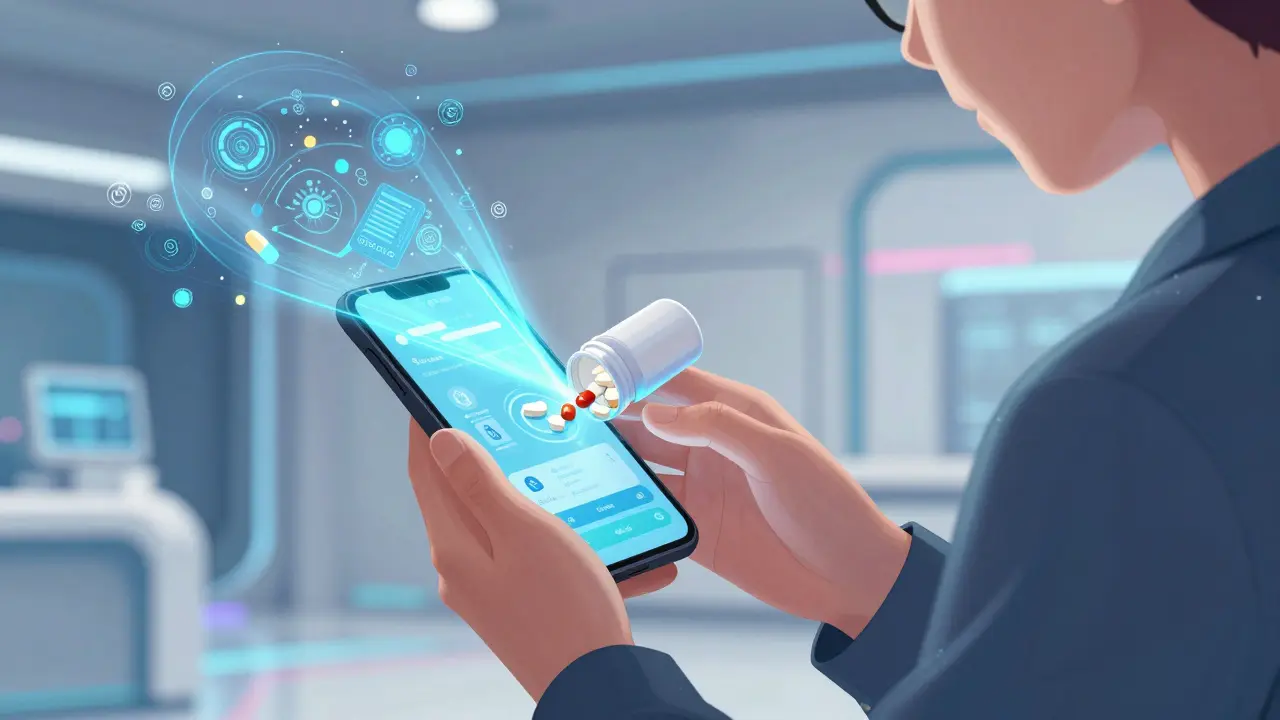
Digital tools have also stepped up to help manage this complexity. Apps like Medisafe now feature medication recognition capabilities. By photographing the bottle or pill, patients can confirm exactly what they hold. A trial in JMIR mHealth in 2022 showed these tools improved generic medication understanding by 37%. Additionally, consider the 'Brown Bag Medication Review'. This strategy involves bringing all your medication containers to your doctor's appointment. It allows the clinician to see the actual bottles, not just the list on a computer screen. Home health agencies adopting this method reduced medication discrepancies by 44%. It turns a passive process into an active partnership between you and your provider.
Strategies for Clinicians and Healthcare Systems
Patients aren't alone in this battle; healthcare organizations must share the responsibility. The concept of organizational health literacy, updated in Healthy People 2030, places the burden on institutions to communicate clearly. One successful model is the 'Ask Me 3' program. This initiative trains providers to ensure every patient leaves knowing three things: What is my main problem? What do I need to do? Why is it important? In hospitals implementing this program, medication errors related to generic substitutions dropped by 31%. It is a simple checklist that saves lives.
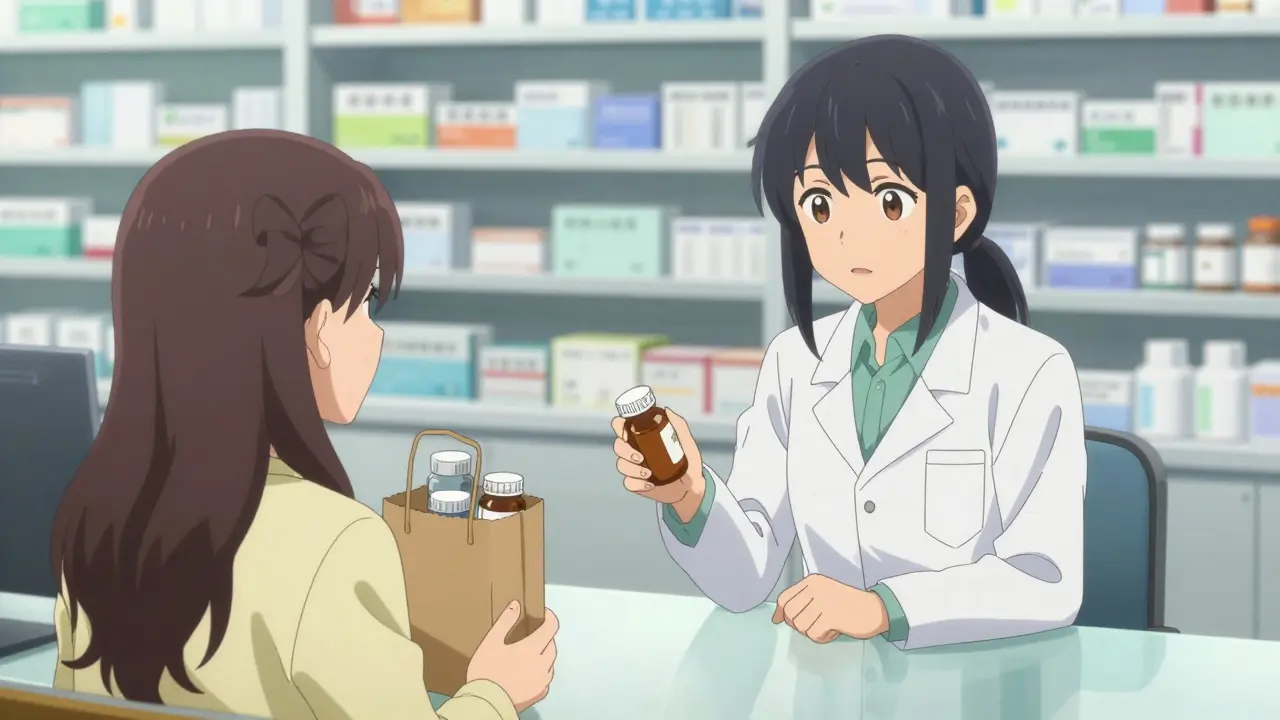
Pharmacists also play a crucial role as gatekeepers. The American Pharmacists Association has called for pharmacist-led assessments during generic substitutions. Imagine walking up to the counter to pick up a refill, and the pharmacist notices a visual change. A trained professional can explain why the new pink pill is safe before you leave. Currently, only a fraction of states have legislation requiring this proactive communication. However, the trend is moving there. The Agency for Healthcare Research and Quality emphasizes that standardized protocols are necessary to address visual discontinuity. This means clinics and pharmacies need specific scripts and training materials to handle the "but it looks different" question confidently.
The Road Ahead: Standardization and Regulation
We are entering a period of significant regulatory evolution regarding health literacy. The FDA released draft guidance in 2023 proposing standardized color-coding for therapeutic classes. This would mean all blood pressure meds have blue markings, while diabetes meds have green ones, regardless of the manufacturer. Similar initiatives in Europe under the Falsified Medicines Directive already show promise, reducing errors by 19% in pilot programs. Standardization reduces cognitive load for the patient. Instead of memorizing 20 different pill shapes, you recognize the class by its color code.
The Biden administration's 2023 National Action Plan targets a 25% reduction in confusion-related errors by 2027. This reflects a growing consensus that we can no longer expect patients to navigate complex medical systems alone. Technology continues to evolve alongside policy. AI-powered recognition tools demonstrated in the New England Journal of Medicine improved understanding by 63% among vulnerable groups. As we move through 2026, expect these digital aids to become integrated directly into electronic health records and insurance portals, giving you immediate answers when you pull out that unfamiliar pill.
Summary of Key Takeaways
- Understand the Basics: Generic drugs contain the same active ingredients as brand names; the physical appearance is often the only difference.
- Check Labels Carefully: Always verify the generic drug name on the label before discarding or refusing a new-looking medication.
- Use Digital Tools: Utilize apps or online databases to photograph and verify medication types visually.
- Advocate for Clarity: Bring your actual bottles to appointments ('Brown Bag') to ensure doctors see what you are taking.
- Stay Informed: Pay attention to 'Ask Me 3' prompts and standardized color coding initiatives that simplify drug identification.
Is it safe to switch between different generic versions of the same drug?
Yes, it is safe. Generic medications must meet the same safety, strength, and quality standards as brand-name drugs. While colors and shapes may vary, the active ingredient remains therapeutically equivalent.
Why does my pill look different today than last month?
Pharmacies source medications from multiple manufacturers. If a supplier runs out of stock, the pharmacy may switch to another manufacturer. Since generics are produced by various companies, the packaging and appearance will change.
How can I tell if a generic drug is effective?
You cannot judge effectiveness by appearance. Effectiveness is determined by clinical trials and regulatory approval. However, you can monitor your symptoms and report any unexpected side effects to your doctor.
What should I do if I lose trust in my medication?
Do not stop taking medication abruptly. Contact your pharmacist to discuss the visual change. They can explain the substitution process or provide a written verification of the medication details to restore your confidence.
Are there laws ensuring medication labels are easy to read?
Regulations like the FDA's Generic Drug User Fee Amendments require clearer patient labeling. Many countries, including Australia and those in the EU, are moving toward plain language requirements to improve health literacy outcomes.






Austin Oguche
27 March, 2026 . 05:12 AM
Health literacy is crucial globally many nations struggle with similar issues when medication appearance changes
In some regions community pharmacists play more active roles explaining substitutions to patients
Bridging gaps requires both policy adjustments and patient education tailored to cultural contexts
We must consider how diverse backgrounds influence trust in medical systems
Rachael Hammond
28 March, 2026 . 11:23 AM
Its fascinating how our perception shapes what we accept as care
When visuals shift trust wavers even if science stays constant
Theres a philosophical layer here about authority and belief systems beyond just pills
People need reassurance that change doesnt mean danger
Health literacy is really about teaching minds to see through appearances
Jeannette Kwiatkowski Kwiatkowski
29 March, 2026 . 12:28 PM
Oh please its not philosophy its cognitive overload disguised as deep thought
These color coding fiascoes highlight regulatory incompetence
Most patients dont have time for your existential rants about trust
Real solutions require systemic overhaul not wishy washy musings
Its obvious experts ignore practical barriers
Stop romanticizing confusion
Richard Kubíček
29 March, 2026 . 16:44 PM
I think the strategies outlined are great steps forward
Simple things like checking labels can save lives
Its amazing how small actions build confidence
Community effort matters here
Every person sharing knowledge helps everyone else
Lets work together to close these gaps
Together we can make health safer for all families
The future looks brighter with tools like apps
Hope these efforts reach more people soon
Monique Ball
30 March, 2026 . 12:10 PM
This is SO important!! I’ve been telling my family to use Medisafe app! 📱💊
It scans bottles instantly!! Just snap a pic and boom!! You get info fast!!! 🌟
Many seniors I know feel lost with new pill colors 😔
But now there’s help!!! 🛡️
Doctors should do Brown Bag reviews too!!!
Bringing meds to appointments ensures everyone’s aligned!!! 💬👩⚕️
Pharmacists must proactively explain changes!!!
They’re the frontline heroes!!! 🦸♀️
Small changes like color codes would reduce errors massively!!! 🎨✨
Please share these tips widely!!!
Knowledge truly saves lives!!! ❤️
gina macabuhay
30 March, 2026 . 18:15 PM
How adorable that you believe emojis solve systemic failures 🙄
Your enthusiastic suggestions ignore decades of failed policy shifts
Real accountability requires funding not hashtag campaigns
Until corporations face consequences for confusing packaging optimism remains performative
Your digital tool worship neglects those without smartphones
Prioritize legislation over virtual solutions
Tommy Nguyen
1 April, 2026 . 12:53 PM
Small steps bring big changes always stay positive
Kameron Hacker
3 April, 2026 . 06:05 AM
Positivity alone cannot address structural inequities embedded within healthcare frameworks
Systemic change demands rigorous reform not mere encouragement
Patient empowerment requires dismantling corporate monopolies prioritizing profit over safety
True progress emerges from confrontational advocacy rather than optimistic platitudes
We must challenge institutional complacency head on
The status quo endangers vulnerable populations daily
Ignoring power dynamics perpetuates preventable harm