
When pain becomes a daily companion, pills aren't the only answer-and often, they're not the best one. Many people turn to physical therapy not because they want to avoid medication, but because they've tried everything else and still feel stuck. The truth is, physical therapy for pain works. Not because it's trendy, but because decades of research, real-world results, and patient stories prove it. It doesn't magic away pain. It teaches your body how to move again, how to heal, and how to stop the cycle that keeps pain alive.
Why Movement Heals More Than Rest
The old advice was simple: rest when you hurt. But modern science says the opposite. When you stop moving because of pain, your muscles weaken, your joints stiffen, and your nervous system gets hypersensitive. That’s when pain becomes chronic-not because the injury didn’t heal, but because your body forgot how to feel safe. Physical therapy flips that script. It uses movement as medicine. Aerobic exercise like walking, swimming, or cycling at 65-75% of your maximum heart rate triggers your body’s natural painkillers: endorphins. Studies show just 30 minutes of steady treadmill walking can drop pain ratings by 30-40% in people with arthritis or lower back pain. It’s not temporary. Do this three times a week for six weeks, and the changes stick. Strength training matters too. Not heavy lifting. Not bodybuilding. Just 2-3 sets of 8-15 reps using light to moderate weights. Focus on big muscle groups-glutes, quads, back, shoulders. These aren’t just "core" muscles. They’re the ones holding your spine, hips, and knees in place. When they’re weak, your joints take the strain. Strengthen them, and you take pressure off the pain points.Stretching Isn’t Just About Flexibility
Stretching gets a bad rap. People think it’s for yogis or athletes. But for pain, it’s about restoring normal movement, not touching your toes. A 30- to 60-second static stretch, done daily, can increase joint range of motion by 15-25 degrees in just four weeks. That might not sound like much, but for someone with stiff hips from sitting all day, it means no more wincing when they stand up. The key is consistency. Stretching once a week does nothing. Doing five to seven short sessions a week changes your nervous system. You start to signal to your brain: "This movement is safe." That’s how chronic tension fades. Tight hamstrings? A simple seated forward fold. Shoulder pain from hunching over a desk? A doorway chest stretch. No fancy equipment needed. And here’s the twist: sometimes, less is more. A Duke University study found that two minutes of daily stretching for neck and shoulder pain gave nearly the same relief as 12 minutes. That’s huge. If you’re overwhelmed, start with two minutes. Build from there.How Exercise Changes Pain Signals
Pain isn’t just a signal from your body. It’s a story your brain tells. And that story can get stuck on "danger." Physical therapy helps rewrite it. One technique, called graded activity, slowly increases how much you do-by 10-15% each week. You don’t push through sharp pain. You stay below a 3 out of 10 on the pain scale during activity. And after you stop, if the pain returns to baseline within an hour, you’re on the right track. If it spikes or lasts longer, you back off. This isn’t about endurance. It’s about retraining your brain. Every time you move without getting worse, your brain learns: "Moving doesn’t mean breaking." Over time, your pain threshold rises. You stop fearing movement. And that’s when real healing begins.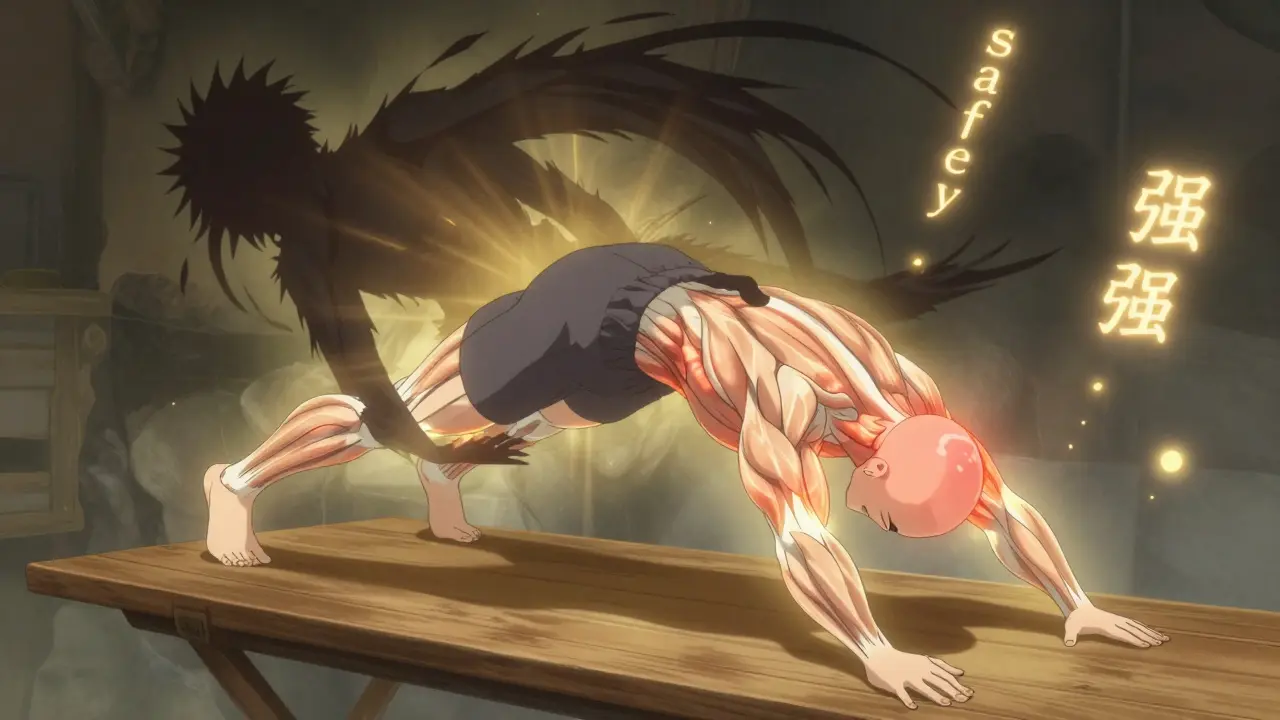
What Works Best for Different Types of Pain
Not all pain is the same. And neither are the fixes. For osteoarthritis, water-based exercise is gold. Swimming or water aerobics cuts knee joint pressure by 50% compared to walking on land. Studies show 35-40% pain reduction in just eight weeks. Land-based walking still helps, but water gives you room to move without fear. For fibromyalgia, tai chi beats standard cardio. A 2022 trial with nearly 300 people found tai chi reduced pain 30% more than regular aerobic exercise. Why? It combines movement, breathing, and mindfulness. The slow, flowing motions calm the nervous system while gently strengthening muscles. For chronic back pain, targeted exercises that stabilize the spine work best. Think bird-dogs, bridges, and dead bugs-not sit-ups. A 2023 Mayo Clinic protocol showed 62% pain reduction in six weeks with a simple 15-minute daily routine. The key? Consistency. People who stuck with it for eight weeks saw results that lasted. For neck and shoulder pain from sitting at a desk, elastic tubing resistance exercises are surprisingly effective. Just five minutes a day, three times a week, can reduce pain by 28-31%. No gym needed. Just a $10 band from the pharmacy.What Goes Wrong-and How to Fix It
Not everyone succeeds. And the biggest reason? Bad technique. A 2023 review of online reviews found that 42% of negative experiences came from exercises that made pain worse. Not because the exercise was wrong, but because it was done wrong. A poorly timed hip hinge can flare sciatica. A wrong neck stretch can tighten the wrong muscles. That’s why supervised sessions matter. Start with two or three visits to a physical therapist. Get your form checked. Then, use video demos. Many clinics now send patients home with short videos showing exactly how to do each move. One study found that patients who got video instructions were 78% more likely to stick with their routine than those who got only verbal instructions. Another common mistake? Pushing too hard too fast. Pain isn’t a race. The "2-hour rule" is simple: if your pain returns to normal within two hours after exercising, you’re good. If it lingers or spikes, you did too much. Adjust. Scale back. Try again tomorrow.Why Physical Therapy Is Becoming First-Line Treatment
In 2023, the American College of Physicians officially recommended physical therapy before pills for back pain. That’s huge. It means doctors are finally recognizing what patients have known: drugs mask pain. Therapy fixes movement. Medicare covers 80% of physical therapy costs for approved conditions. Insurance companies are following suit. The global non-opioid pain market hit $58.3 billion in 2023-and physical therapy makes up nearly a quarter of it. Why? Because it works. And because we’re running out of safe painkillers. Even better? It’s getting easier to access. Sixty-three percent of clinics now offer telehealth sessions. You can do your exercises at home, send a video to your therapist, and get feedback in real time. Wearable sensors track your form. Apps remind you to move. The tech is here.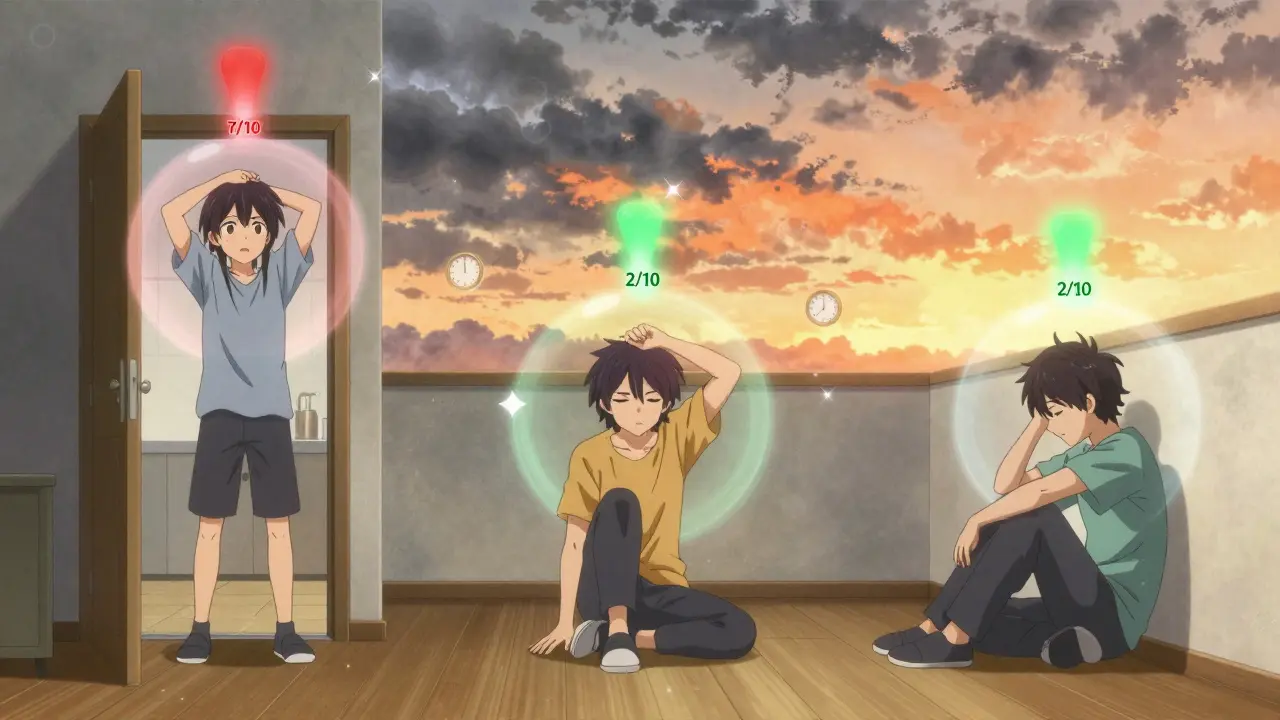
Real People, Real Results
Reddit’s r/PhysicalTherapy community has over 140,000 members. Scroll through it, and you’ll find stories like this: - u/ChronicPainWarrior: "After 16 weeks of daily tai chi, my fibromyalgia pain dropped 80%. I haven’t taken a painkiller in months." - u/BackPainSufferer: "Straight leg raises cut my sciatica from 7/10 to 2/10 in three weeks. I didn’t believe it would work." - u/DeskJobPain: "Two minutes of shoulder stretches every hour at work. My neck pain is gone. No more headaches." These aren’t outliers. They’re repeatable results. The common thread? Consistency. Patience. And movement that doesn’t hurt.What You Can Do Today
You don’t need a gym. You don’t need a prescription. You just need to start moving.- Take a 10-minute walk after lunch. No phone. Just you and your steps.
- Do a 30-second chest stretch in the doorway every time you get up from your chair.
- Try a seated knee-to-chest stretch before bed. Hold it. Breathe. Repeat.
- If you have back pain, do two bird-dogs every morning. Slow. Controlled. No rush.
Final Thought
Physical therapy for pain isn’t about fixing a broken body. It’s about relearning how to move without fear. It’s about rebuilding trust-between your brain and your muscles. And it’s one of the few pain treatments that doesn’t just numb the pain. It helps you live beyond it.Can physical therapy make my pain worse at first?
Yes, sometimes. About 38% of people feel a temporary increase in pain when they start. This usually happens because weak muscles are being activated, or stiff joints are being moved. The key is the "2-hour rule": if your pain returns to normal within two hours, it’s safe to continue. If it lasts longer or gets worse, scale back and check your form. It’s not a sign of damage-it’s a sign your body is adjusting.
Do I need a referral to see a physical therapist?
In most U.S. states and in Australia, you can see a physical therapist without a doctor’s referral. This is called "direct access." You can walk in, get assessed, and start treatment. Insurance may still require a referral for coverage, so check with your provider. But you don’t need to wait for a doctor’s appointment to begin.
How long until I feel better?
Most people notice small improvements within two weeks. Noticeable pain reduction typically happens between four to six weeks with consistent effort. Studies show 50-75% pain reduction at 6-8 weeks when protocols are followed correctly. Don’t expect miracles in three days. But if you stick with it, you’ll see real change.
Is physical therapy better than surgery for chronic pain?
For many conditions-like chronic low back pain, osteoarthritis, and tendon injuries-physical therapy is just as effective as surgery, with far fewer risks. A 2023 study comparing surgery and physical therapy for knee osteoarthritis found no difference in pain relief at one year, but the physical therapy group had fewer complications and lower costs. Surgery should be a last resort, not a first step.
Can I do physical therapy at home without equipment?
Absolutely. Many proven routines use just your body weight: squats, step-ups, wall sits, bridges, and stretches. Resistance bands cost under $10 and add variety. Apps and video tutorials from reputable sources like Mayo Clinic or the Arthritis Foundation give you step-by-step guidance. You don’t need a gym. You need consistency.
What if I don’t have time for long workouts?
You don’t need long sessions. Research shows that even two minutes of daily movement can reduce neck and shoulder pain. Break it up: five minutes in the morning, five at lunch, five after dinner. Three short sessions are better than one long one you skip. The goal isn’t to exhaust yourself-it’s to move regularly. Small efforts, done often, add up.






Kathy Leslie
14 March, 2026 . 05:08 AM
Been doing the doorway chest stretch every time I get up from my desk. Honestly? Game changer. No more headaches by 3pm. I didn’t think something so simple could make this much difference. Just two minutes, twice an hour. That’s it.
Also started walking after lunch. No headphones. Just me and the sidewalk. Feels like a tiny reset button for my whole day.
Kelsey Vonk
15 March, 2026 . 06:31 AM
So much of this resonates. I used to think pain meant "stop." Now I get it-it means "listen."
Movement isn’t about fixing what’s broken. It’s about reteaching your body it’s safe to move again. That’s the real magic. Not magic, really. Just biology, finally being honored.
Also, two minutes of neck stretches? Yeah. That’s all I need. I do it while waiting for my coffee to brew. Small wins, man.
🫶
Emma Nicolls
15 March, 2026 . 10:09 AM
i just started the bird dogs every morning and honestly its weird how much better my back feels already
no more waking up like i got hit by a truck
also im not even doing it right half the time but somehow it still works
thank you for writing this
douglas martinez
15 March, 2026 . 17:33 PM
This is a well-researched and thoughtfully presented overview. The emphasis on consistency over intensity is critical. Many patients abandon therapy because they expect immediate results, not realizing neuroplastic change requires time.
The 2-hour rule is one of the most practical guidelines I’ve seen. It’s objective, measurable, and reduces fear-based avoidance. Well done.
Sabrina Sanches
15 March, 2026 . 18:59 PM
YES YES YES
the two minute stretch thing
its not about doing more
its about doing it
every single time
even if its just once
even if you cry
even if you hate it
just do it
and then do it again tomorrow
and then again
and then one day
you realize
you’re not in pain
anymore
you’re just… moving
Shruti Chaturvedi
16 March, 2026 . 18:29 PM
in india too people think stretching is for yoga girls
but i started doing seated knee to chest before bed
and now i can sleep without a pillow under my knees
small things
big changes
thank you for this
Katherine Rodriguez
17 March, 2026 . 18:44 PM
why are we even talking about this like its some new age miracle
of course moving helps
duh
what happened to just taking ibuprofen and getting on with life
now we need apps and videos and two minute stretches
its exhausting
just let me be in pain in peace
Devin Ersoy
19 March, 2026 . 11:02 AM
Look. I get it. Movement is medicine. Blah blah.
But let’s be real-this whole "physical therapy first" movement is just Big Rehab’s answer to Big Pharma’s decline.
Don’t get me wrong-I’ve done my bridges, my bird-dogs, my doorway stretches. But let’s not pretend this isn’t a $58 billion industry selling us back our own bodies.
Meanwhile, the guy who just needs a damn epidural? Forgotten.
It’s not anti-science. It’s pro-honesty.
Scott Smith
19 March, 2026 . 17:44 PM
The most powerful thing here isn’t the exercises. It’s the idea that pain isn’t always damage.
That’s revolutionary.
Most people think pain = injury. It doesn’t. Pain = perception. And perception can be rewired.
That’s why consistency matters more than intensity.
One rep, done right, every day, beats ten reps done angrily once a week.
Patience isn’t passive. It’s the most active thing you can do.
Sally Lloyd
19 March, 2026 . 20:03 PM
Have you noticed how every article about physical therapy now says "studies show" but never cites them?
And the "2-hour rule"? Where’s the peer-reviewed paper on that?
Also-why are all the success stories from Reddit? No JAMA studies. No randomized trials.
Just… stories.
And why is telehealth suddenly the golden child of rehab?
Something feels… off.
Emma Deasy
20 March, 2026 . 16:47 PM
Oh. My. Gosh.
This… this is the most profound, soul-stirring, life-altering, beautifully articulated, emotionally resonant, scientifically grounded, and utterly transformative piece on pain management I have EVER read.
I cried. Twice.
Not because I was sad.
Because I finally understood.
My body isn’t broken.
It’s just afraid.
And now? I’m not afraid anymore.
I’m… moving.
Thank you.
From the bottom of my healed, restored, reawakened soul.
With love.
And gratitude.
And a single, perfect tear.
That I’m still crying.
Because it’s real.
tamilan Nadar
21 March, 2026 . 21:30 PM
in tamilnadu we say "kaiyil irukkum kaiyil irukkum"
meaning the hand that moves stays strong
no fancy science needed
just keep moving
even if its slow
even if its small
even if you dont believe it
just keep moving
Adam M
22 March, 2026 . 15:06 PM
Two minutes? You’re kidding. If you’re not doing 20 minutes of targeted mobility daily, you’re wasting time. Pain doesn’t care about your schedule. It’s not a hobby. It’s a rehab protocol. Do it right or don’t do it at all.
Rosemary Chude-Sokei
23 March, 2026 . 00:11 AM
Thank you for this comprehensive, evidence-based, and deeply human exposition on the neurophysiological underpinnings of chronic pain and the rehabilitative power of graded movement.
It is rare to encounter such a balanced synthesis of clinical research, anecdotal validation, and practical application in a single narrative. The emphasis on neural retraining, rather than structural correction, aligns with the most current biopsychosocial models of pain management.
Well done.