What Expiration Dates on Medication Really Mean
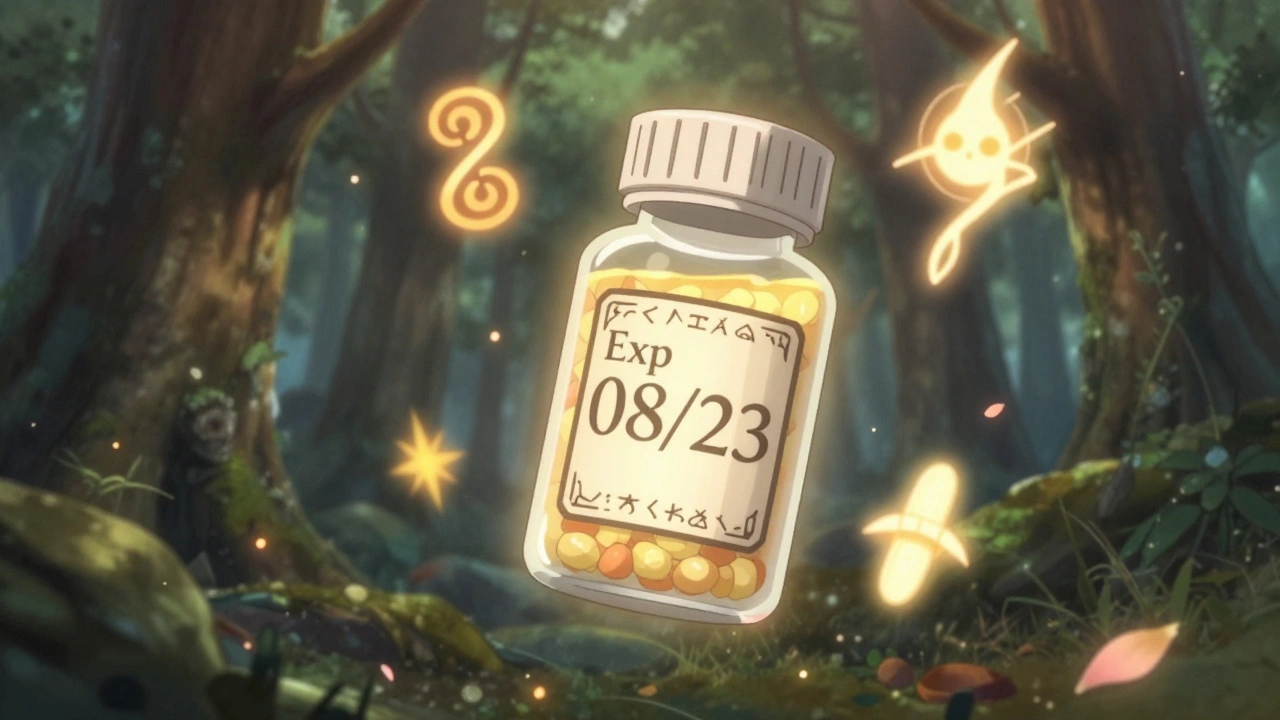
When you see "Exp 08/23" on a pill bottle, it doesn’t mean the medicine turns toxic the next day. It means the manufacturer guarantees the drug will work as intended up to August 31, 2023 - if stored properly. This date is based on strict stability tests the company ran under controlled heat, humidity, and light conditions. The U.S. Food and Drug Administration (FDA) has required these dates since 1979, and they’re not just a marketing tactic. They’re a scientific estimate of when the active ingredients might start breaking down.
But here’s the catch: many pills and liquids still work fine months or even years after that date. A joint FDA and Department of Defense study found that 90% of stockpiled medications remained effective 15 to 66 months past their printed expiration - if sealed and stored in cool, dry places. That doesn’t mean you should keep your asthma inhaler for a decade, but it does show expiration dates aren’t hard stop signs. They’re more like "best by" labels on milk.
How Expiration Dates Are Shown on Packaging
There’s no single global format, and that’s where confusion starts. In the U.S., you’ll most often see "Exp 08/23" or "Expires 08/2023." That means the last day of August 2023. If it says "Use by 08/23," same thing - it expires at the end of that month. Some labels say "Expiry Date" or "Use before," but they all mean the same thing.
In Europe, you’ll typically see day/month/year - like 31/08/2023. In China, it’s year/month/day: 2023/08/31. If you’re buying medication online or traveling, knowing this saves you from tossing out perfectly good pills. Always look for the month and year. If only a year is listed (e.g., 2025), assume it’s the last day of that year.
Don’t rely on the pharmacy label alone. When you pick up a prescription, the pharmacist prints a "discard after" date - usually one year from when you got it. But that’s not the real expiration. For example, your blood pressure pill might have a manufacturer date of 2027, but the pharmacy says "discard after 12/2025." Stick with the manufacturer’s date unless the pharmacist says otherwise.
Which Medications Are Dangerous After Expiration
Most drugs just lose strength. But a few can become risky. Never take expired:
- Insulin - it can lose potency fast, leading to dangerously high blood sugar
- Birth control pills - even slight degradation increases the risk of unintended pregnancy
- Thyroid medications - inconsistent dosing can mess with your metabolism
- Antibiotics - weakened doses don’t kill bacteria fully, which can lead to resistant superbugs
- Antiplatelet drugs like aspirin - if they degrade, they won’t prevent clots properly
There’s a myth that tetracycline becomes toxic after expiring. That was true in the 1960s with old manufacturing methods. Modern versions don’t have that risk. But if you’re unsure, don’t guess. Talk to your pharmacist.
Storage Matters More Than You Think
Expiration dates assume you stored the medicine right. If you keep your pills in a hot bathroom or a sunny windowsill, they degrade faster - even before the date. Heat, moisture, and light are the enemy.
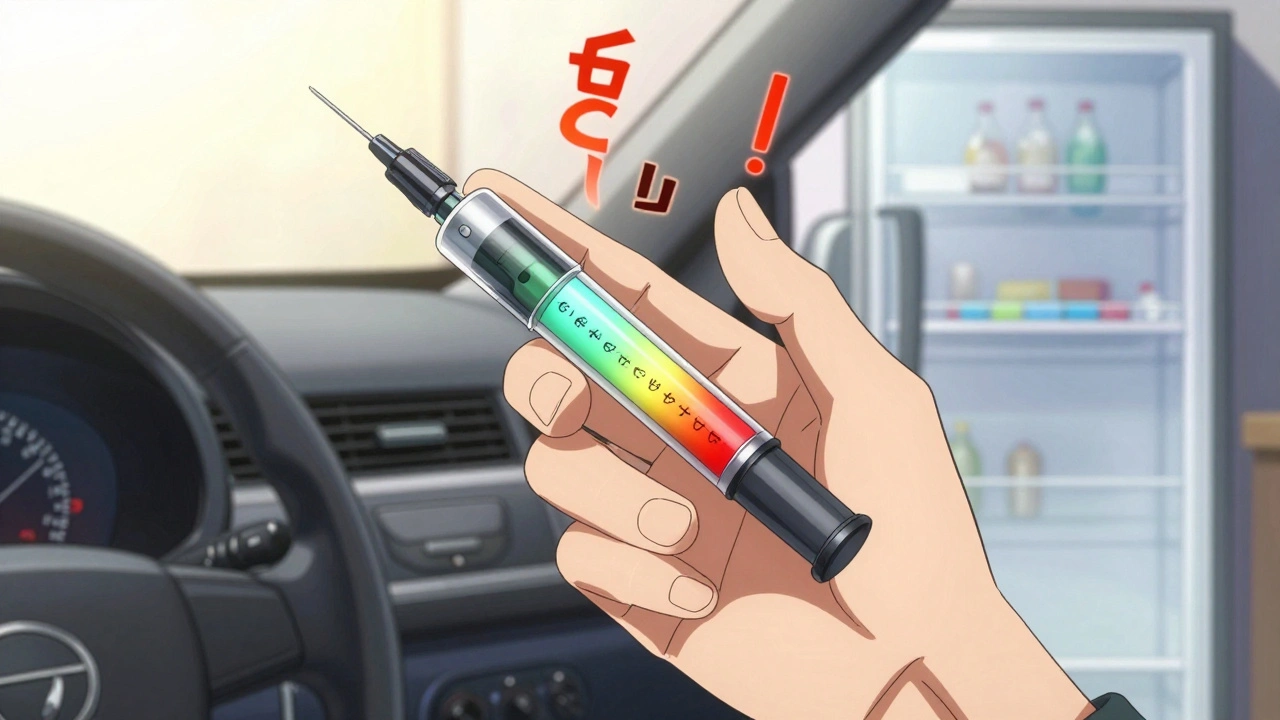
Most medications should be stored at room temperature (15-25°C), away from humidity. Some, like insulin, liquid antibiotics, or certain eye drops, need refrigeration. Check the label. If it says "store below 25°C," don’t leave it on your car dashboard in summer. That’s how you get ineffective medicine.
Keep pills in their original bottles. Those bottles are designed to block light and moisture. Transferring them to pill organizers is fine for daily use, but don’t throw away the original packaging. You’ll need it to check the real expiration date and lot number.
How to Spot Degraded Medication
Not all expired drugs look different. But some signs mean it’s time to toss them:
- Pills that are crumbling, discolored, or have a strange odor
- Liquids that are cloudy, have particles, or changed color
- Eye drops that look murky or have floating bits
- Topical creams that separate, smell rancid, or feel grainy
- Suppositories that are soft or sticky at room temperature
If you see any of this, don’t risk it. Even if the date hasn’t passed, poor storage can ruin the medicine. Health Canada says to check for the DIN (Drug Identification Number) or GP number on the label - that confirms it’s a legally approved product. If the label is missing or faded, throw it out.
What to Do When You Find an Expired Medicine
Don’t flush it. Don’t toss it in the trash where kids or pets can get to it. Many pharmacies offer take-back programs. In Australia, you can drop off expired meds at any pharmacy - they’ll dispose of them safely. Some cities have drug disposal bins at police stations or community centers.
If you’re unsure whether a medication is still good, call your pharmacist. They can check the manufacturer’s data and tell you if it’s safe. For expensive meds - like a $200 inhaler - they might even be able to tell you if it’s still effective past the pharmacy’s discard date.
Set a reminder. Use a phone app like MedSafe or just mark your calendar: "Check meds - every 6 months." Keep a list of what you have, when it expires, and where you store it. That way, you won’t be scrambling when you need it.
What’s Changing in Medication Labeling
Pharmaceutical companies are starting to use smarter packaging. Merck now puts time-temperature sensors on insulin pens - if the drug got too hot during shipping, the label changes color. The European Medicines Agency now requires thermochromic ink on labels so you can see if storage conditions were broken.
The FDA is pushing for QR codes on packaging. Scan it, and you’ll get real-time info on expiration, storage, and recall notices. WHO is also recommending a global standard: YYYY-MM-DD format. That means no more confusion between month/day/year and day/month/year.
But until all medications have these upgrades, you still need to know how to read the old labels. Don’t wait for tech to fix it. Learn now.
Why This Matters More Than You Realize
Every year, over 40% of medication errors involve expired drugs, according to the Institute for Safe Medication Practices. Elderly patients are especially at risk - a 2022 study found 68% thought "use by" meant the medicine becomes dangerous the moment it expires. That’s not true. But thinking it is leads to either dangerous overuse or unnecessary waste.
Using expired antibiotics isn’t just ineffective - it fuels drug-resistant infections. That’s a global health crisis. Using expired insulin can land you in the hospital. And if you’re on blood thinners or heart meds, even a 10% drop in potency can be life-threatening.
You don’t need to be a scientist to protect yourself. Just check the date. Know the storage rules. When in doubt, ask your pharmacist. It takes two minutes. It could save your life.




Mindy Bilotta
4 December, 2025 . 09:00 AM
I used to toss all my meds the second they expired... until my grandma reminded me her blood pressure pills were still good 3 years past the date. She's 89 and still hiking. Don't panic, just check.
Adrianna Alfano
5 December, 2025 . 15:36 PM
I live in a humid apartment and my asthma inhaler got moldy in the bathroom. I thought it was fine because the date was 2025. I almost died. Don't be me. Store meds like your life depends on it-because it does.
Casey Lyn Keller
6 December, 2025 . 16:48 PM
I don't trust expiration dates. I think the FDA and pharma companies made them up so we'd buy new pills every year. My dad took his antibiotics for 8 years past the date and he's still alive. Coincidence?
Jessica Ainscough
7 December, 2025 . 00:32 AM
This is actually really helpful. I always just threw stuff out. Now I'm going to check my cabinet this weekend. Maybe I can save a few hundred bucks.
Katey Korzenietz
7 December, 2025 . 17:31 PM
You people are insane. If it's expired, throw it out. Period. No ifs, ands, or buts. You're risking your life for a few bucks.
Brian Perry
7 December, 2025 . 22:55 PM
I once took an expired ibuprofen and had a vision of my ancestors. They were all nodding. One whispered: "The pills are still alive." I cried. I'm not joking.
Chris Jahmil Ignacio
8 December, 2025 . 17:44 PM
The real story? The FDA doesn't want you to know that most drugs last decades. They make billions off you buying new ones. The military study? Buried. The sensors? A distraction. This is all a controlled narrative. You think your insulin is safe? It's probably been tampered with. Check the lot number. I dare you.
Paul Corcoran
10 December, 2025 . 00:37 AM
I love this. So many people panic over expiration dates. But honestly? If your medicine looks, smells, and feels right, and you stored it properly? It's probably fine. Talk to your pharmacist-they're the real experts. Don't let fear drive your health decisions.
Colin Mitchell
10 December, 2025 . 07:15 AM
I'm a nurse. I've seen people take expired meds and be fine. I've also seen people die because they thought expired = poison. The truth? It's somewhere in the middle. When in doubt? Ask. Always ask.
Stacy Natanielle
11 December, 2025 . 16:37 PM
The notion that a 2023 expiration date is a "best by" label is statistically irresponsible. The FDA's stability testing protocols are rigorous, and the 90% efficacy rate cited is from a controlled military environment-NOT your humid bathroom. Your anecdotal evidence does not constitute a public health guideline.
kelly mckeown
12 December, 2025 . 11:40 AM
I just checked my cabinet and found three expired pills I forgot about. I'm gonna call my pharmacist tomorrow. Feels good to be proactive, even if it's a little late.
Tom Costello
14 December, 2025 . 07:23 AM
The European day/month/year format is way clearer than the U.S. month/day/year. I once took a pill thinking it expired in December 2023 when it was actually March 2023. Nearly ruined my trip. Learn the format. Save yourself.
dylan dowsett
14 December, 2025 . 23:06 PM
You're all so naive. The real reason they don't extend expiration dates is because they don't want you to know how cheaply these drugs are made. The active ingredient in your aspirin costs 2 cents. They charge you $15 because they know you'll panic and buy new ones.
Ethan McIvor
16 December, 2025 . 01:34 AM
I used to think expiration dates were just corporate nonsense... until my mom had a seizure because her anti-seizure med lost potency. She was three months past the date. I don't joke about this anymore. Some meds? You don't gamble. Others? Maybe. But always check. Always ask. And never, ever leave insulin in the car.