Drug Shortages: What Causes Them and How to Cope When Medications Run Out
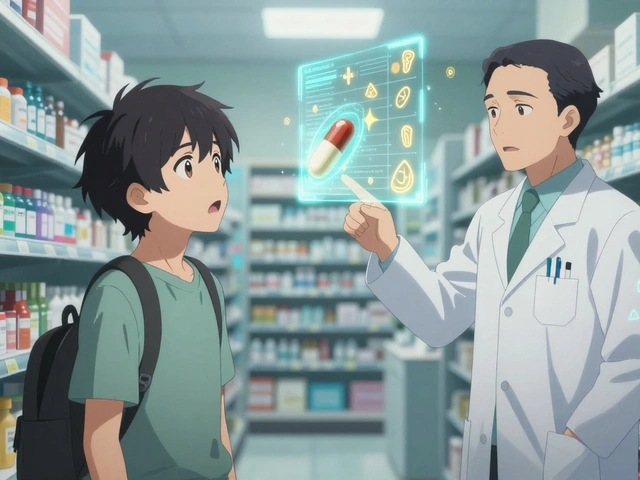
When your pharmacy says they don’t have your medication, it’s not just an inconvenience—it’s a drug shortage, a situation where the supply of a medication falls below demand, leaving patients without access to essential treatments. Also known as medication supply gaps, these aren’t rare glitches—they’re a growing crisis affecting everything from antibiotics to heart meds and insulin. You might think it’s just bad luck, but behind every empty shelf is a chain of problems: factory shutdowns, raw material delays, single-source manufacturers, and profit-driven decisions that leave critical drugs vulnerable.
One of the biggest reasons drug shortages happen is because so many generic drugs are made in just one or two overseas plants. If a single facility fails an FDA inspection or hits a production snag, hundreds of thousands of prescriptions stall. And when that happens, pharmacies don’t get replacements fast enough. Generic drug availability, the reliable supply of lower-cost versions of brand-name drugs that most patients rely on is especially fragile. Even small changes in manufacturing costs or regulatory rules can trigger a cascade. Meanwhile, pharmacy stockouts, when local pharmacies run out of stock and can’t get more for days or weeks hit hardest for people who can’t travel far or afford to wait.
It’s not just about running out of pills. A shortage can force you onto a different drug—one you’ve never taken, with unknown side effects, or one that interacts badly with what else you’re on. Some patients switch to higher-dose versions and split pills, which is risky without medical guidance. Others delay treatment, which can make conditions worse. The real cost isn’t just money—it’s stress, uncertainty, and sometimes, health setbacks.
What you can do? Know your options before it happens. Ask your doctor about therapeutic alternatives ahead of time. Keep a list of your meds, doses, and why you take them. Check the FDA’s drug shortage list—it’s public and updated weekly. If your pharmacy says they’re out, call others nearby or ask if they can order it. Some insurers let you get a 30-day emergency supply if your regular one isn’t available. And if you’re on a life-sustaining drug like insulin or seizure meds, talk to your provider about having a backup plan written down.
The posts below aren’t just about why drugs go missing—they’re about what to do when they do. You’ll find real advice on handling prescription delays, spotting unsafe substitutions, comparing generic alternatives, and talking to your doctor when your medication isn’t in stock. Whether you’re managing chronic pain, heart disease, or mental health, these guides give you the tools to stay safe and informed when the system lets you down.
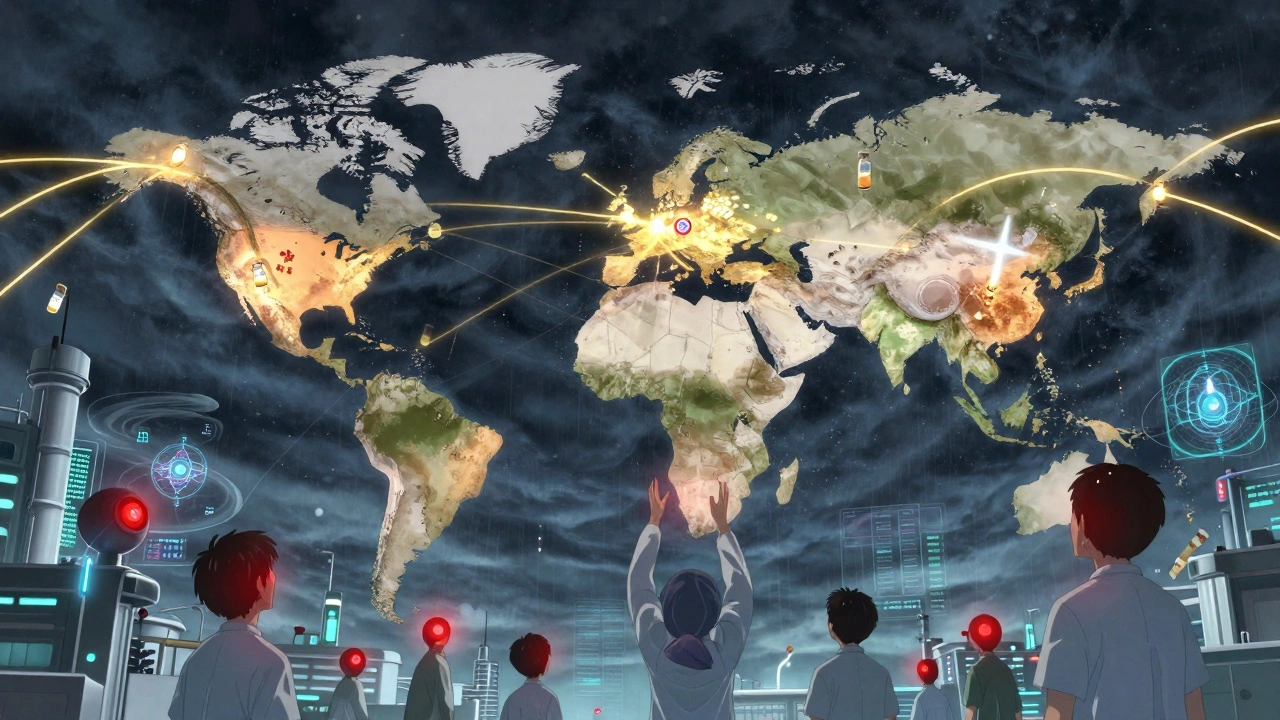
Long-Term Solutions: Building Resilience Into the Drug Supply
Drug shortages are rising because supply chains are too fragile. Learn how combining domestic production, supplier diversification, AI mapping, and better regulations can build lasting resilience-and prevent life-threatening gaps in medicine access.
View MoreLatest Posts