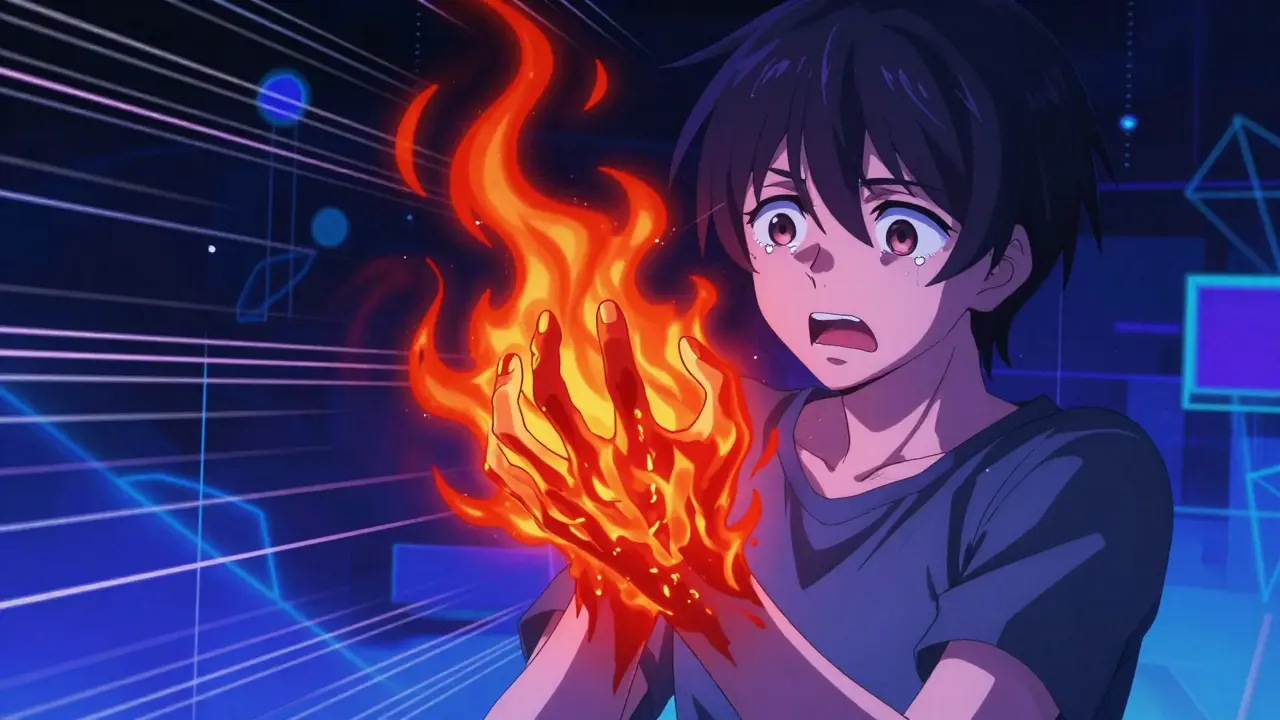
Imagine your hand is on fire, but there is no flame. You can’t wear a glove without screaming. This isn't just sensitivity; it’s a neurological storm known as Complex Regional Pain Syndrome (CRPS). For decades, doctors treated this by pushing more drugs or forcing movement, often making things worse. But today, the gold standard for CRPS rehabilitation has shifted away from brute force toward brain training. Two specific techniques-desensitization and Graded Motor Imagery (GMI)-are changing lives by teaching the nervous system to stop sounding false alarms.
If you or a loved one are dealing with CRPS, understanding these methods is crucial. They aren't magic cures, but they are scientifically proven ways to calm an overactive brain. Let’s look at how they work, why timing matters, and what you can expect during treatment.
Understanding the CRPS Brain Problem
To fix the pain, we first have to understand where it comes from. CRPS, formerly called Reflex Sympathetic Dystrophy, was first described in 1864. It usually starts after an injury or surgery, affecting about 26 out of every 100,000 people annually in the US. The problem isn't just in the injured limb; it’s in the central nervous system.
Think of your brain’s map of your body as a detailed GPS. In CRPS, that map gets distorted. Researchers call this "cortical smudging." The area of the brain representing your painful hand shrinks or blurs into the areas for your arm or face. Because the signal is fuzzy, your brain interprets normal touch as danger. This is why brushing against a sheet feels like sandpaper. Desensitization and GMI target this exact distortion, aiming to redraw the map correctly.
Desensitization Therapy: Retraining Touch
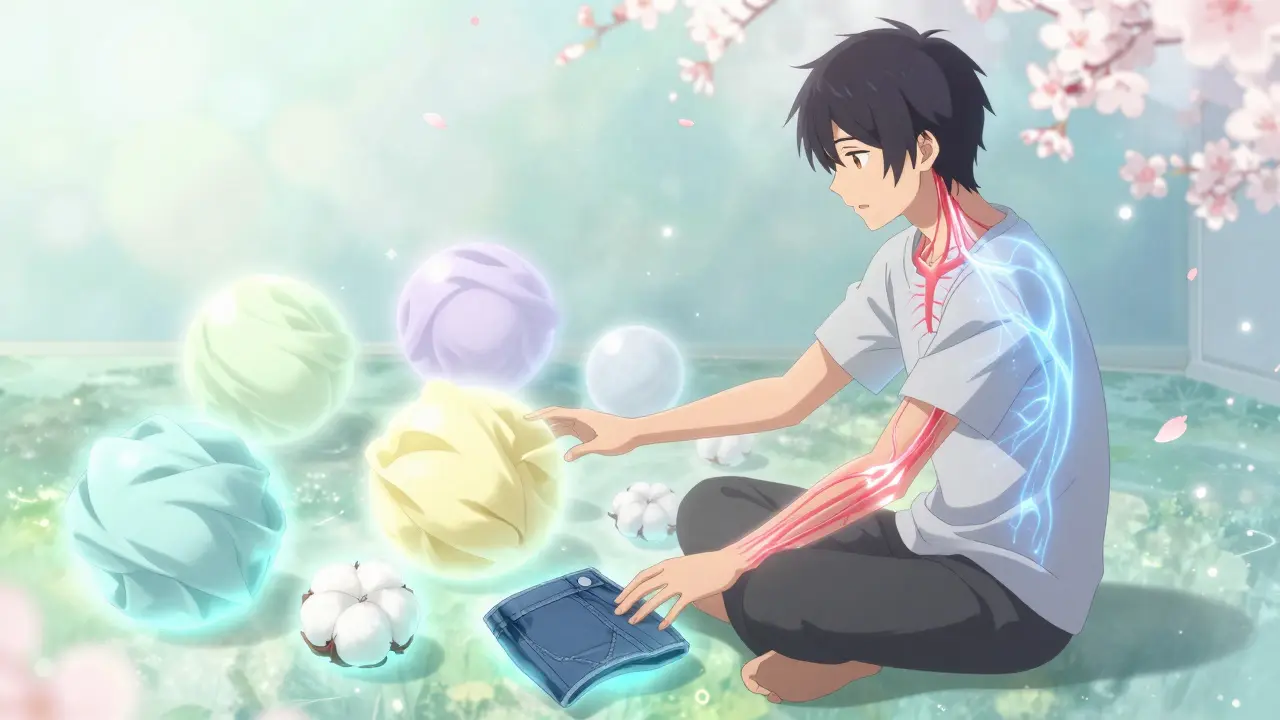
Desensitization sounds simple, but doing it wrong can spike your pain. Developed in the 1980s by occupational therapists, this method involves systematic exposure to different textures. The goal is to convince your dorsal horn neurons in the spinal cord that light touch is safe.
Here is how a typical protocol works, based on guidelines from the American Occupational Therapy Association:
- Phase 1 (Weeks 0-2): Passive Touch. You start with eyes open. Use extremely soft materials like cotton balls or silk. Apply less than 10 grams of pressure. Keep sessions short-5 to 10 minutes, three to five times a day.
- Phase 2 (Weeks 2-4): Active Movement. Once you tolerate soft touch, add gentle movement while rubbing the material. This helps link sensation with motion.
- Phase 3 (Weeks 4-8): Texture Variation. Introduce firmer textures like denim or terry cloth. You might also introduce slight temperature changes if tolerated.
- Phase 4 (Weeks 8+): Functional Reintegration. Focus on wearing normal clothing and handling everyday objects.
The key rule? Progress only when your pain stays below 3/10 on the Visual Analogue Scale (VAS) during and after the session. A 2021 study in Pain Medicine showed that patients who followed this structured approach saw 42% greater improvement in function compared to those who just did general exercises. Patience is your best tool here. Rushing to rougher textures too soon tells your brain, "See? I told you it was dangerous!"
Graded Motor Imagery (GMI): The Three-Step Protocol
If desensitization calms the skin, Graded Motor Imagery (GMI) fixes the brain’s map. Pioneered by Dr. G. Lorimer Moseley in Australia around 2004, GMI is a three-stage neurocognitive rehab protocol. It doesn't require moving the painful limb at all, which makes it safer for early-stage CRPS.
| Stage | Activity | Goal | Duration/Frequency |
|---|---|---|---|
| 1. Left/Right Discrimination | Identify images of limbs as left or right using flashcards or apps. | Activate the somatosensory cortex without triggering pain. | Start with 50 images/day. Aim for 90% accuracy at 1.5 seconds per image. |
| 2. Explicit Motor Imagery | Mentally rehearse moving the affected limb without actually moving it. | Strengthen neural pathways associated with movement. | 5-10 minutes daily, progressing to 20-30 minutes. |
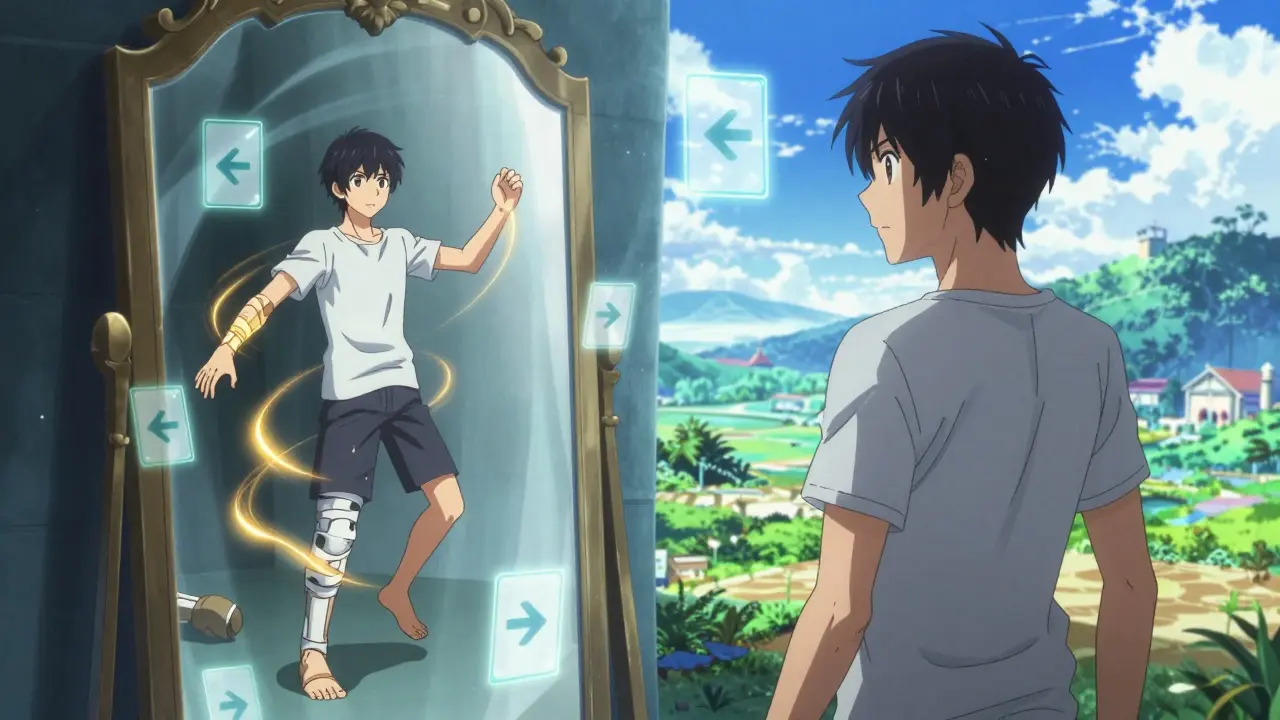
| 3. Mirror Therapy | Use a mirror box to reflect the healthy limb, creating an illusion of normal movement in the painful one. | Trick the brain into seeing pain-free movement, reducing fear. | 5-30 minutes daily over 6-12 weeks. |
Many people skip Stage 1 and jump straight to mirror therapy. That’s a mistake. If your brain can’t distinguish left from right quickly, your cortical map is too scrambled for mirror therapy to work effectively. Apps like Recognise Online make Stage 1 accessible, but consistency is key. You need to hit that 90% accuracy benchmark before moving on.
GMI vs. Traditional Physical Therapy
You might wonder why not just do standard stretches and strengthening? A 2023 systematic review analyzed 33 randomized controlled trials and found that GMI produced a significantly greater reduction in pain scores than conventional physical therapy alone. Specifically, GMI lowered pain by nearly 3 points on a 10-point scale more than traditional therapy.
Traditional PT often focuses on range of motion. In CRPS, forcing range of motion can trigger protective muscle spasms and increase inflammation. GMI, however, works upstream. By normalizing the primary somatosensory cortex representation, it reduces the "noise" that causes pain. fMRI studies show that after 8 weeks of consistent GMI, activation in the pain-processing areas of the brain drops by 30-40%. That’s a biological change, not just a placebo effect.
However, GMI isn't for everyone. Patients with severe cognitive impairment or significant visual disturbances may struggle. Also, be prepared for frustration. About 32% of patients report initial symptom exacerbation. The brain is used to protecting that limb; suddenly asking it to relax feels unsafe. This is normal, but it requires a therapist who knows how to pace you.
The Critical Role of Timing and Expertise
Time is tissue-and time is brain plasticity. Data from the Cleveland Clinic shows an 83% success rate when therapy begins within 3 months of symptom onset. Drop that window to after 12 months, and success rates fall to 42%. Early intervention prevents the cortical smudging from becoming permanent.
Who should guide you? Not just any physical therapist. The American Physical Therapy Association recommends therapists with at least 40 hours of specialized CRPS training. Improper implementation accounts for 22% of treatment failures. Dr. Giorgio Galantino warns that advancing GMI too rapidly can worsen symptoms in up to 15% of cases. Look for credentials like Certified Hand Therapist (CHT) or Certified Pain Practitioner (CPP).
Real-World Expectations and Challenges
Let’s keep it real. This isn't a quick fix. The NOI Group’s standardized protocol suggests 15-20 minute daily sessions for 6-12 weeks. In a 2023 survey of 1,200 patients, 68% reported meaningful pain reduction with GMI, and 42% achieved more than 50% relief after six months. One patient shared that their hand temperature normalized from 82°F to 96°F, allowing them to wear socks again for the first time in 18 months.
But adherence is tough. Only 65% of patients complete the full protocol because the early stages are boring and frustrating. Desensitization has higher adherence (79%) but takes longer-patients averaged 47 days to progress from cotton balls to normal clothing. Combining both methods with cognitive behavioral therapy yields the best outcomes, reducing pain by over 5 points on the NPRS scale at 24 weeks.
Can I do Graded Motor Imagery at home?
Yes, but you should learn the technique from a qualified therapist first. Stage 1 (left/right discrimination) can be done with apps like Recognise Online. Stage 3 (mirror therapy) requires a simple mirror box setup. However, improper progression can worsen pain, so regular check-ins with a specialist are recommended.
How long does desensitization take to work?
Results vary, but most protocols run for 8-12 weeks. Patients typically spend 4-8 weeks just mastering light touch before moving to firmer textures. Consistency is more important than intensity; short, frequent sessions yield better results than long, painful ones.
Is mirror therapy the same as GMI?
No. Mirror therapy is only the third stage of GMI. Skipping the first two stages (left/right discrimination and motor imagery) means you haven't prepared your brain's map for the visual feedback. Doing mirror therapy alone is less effective and carries a higher risk of triggering pain spikes.
What if my pain gets worse during treatment?
A slight increase in discomfort is common initially as your brain re-engages with the limb. However, if pain spikes significantly or lasts for hours after sessions, you are likely progressing too fast. Step back to the previous stage and consult your therapist to adjust the pace.
Does insurance cover CRPS rehabilitation?
Coverage varies by region and provider. In the UK, NHS England mandates access to GMI within 4 weeks of referral for CRPS patients. In the US, many plans cover occupational therapy, but you may need to specify that the therapy includes evidence-based CRPS protocols like GMI to ensure approval.