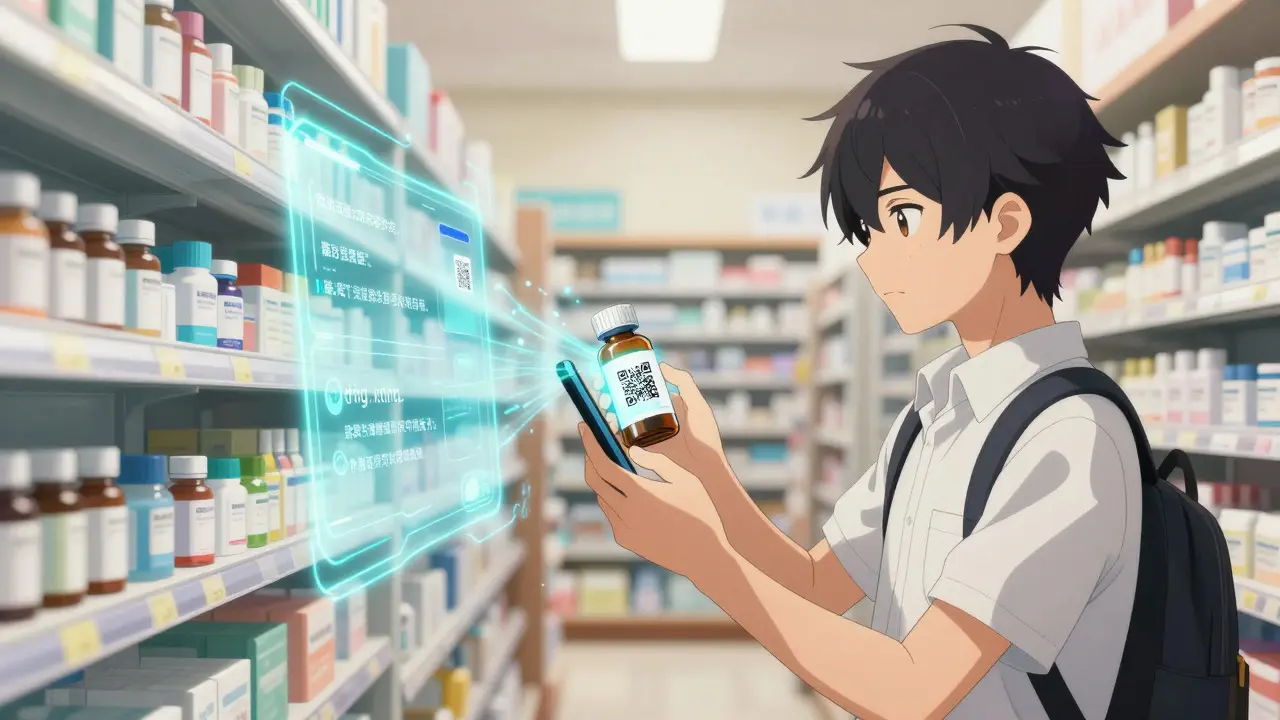
Imagine picking up your medication and seeing a small square code on the bottle. You scan it with your phone, and instantly, you get video instructions on how to take the pill, a list of side effects in plain language, and even a reminder for your next dose. This isn't science fiction; it is happening right now in pharmacies across the globe. Digital prescription label tools are transforming how we interact with our medications, moving us away from tiny, hard-to-read paper stickers toward rich, interactive digital experiences.
For years, prescription labels were limited by space. Pharmacists had to squeeze critical information into a few lines of text, often leading to confusion or missed details. Now, with QR codes (Quick Response codes), that physical limitation disappears. The link between the physical bottle and the digital world allows for unlimited information access. But how do you actually implement this? And more importantly, how do you ensure it works for every patient, from tech-savvy teenagers to elderly grandparents?
Why Pharmacies Are Switching to Digital Labels
The shift toward digital labeling is not just about keeping up with trends; it is driven by safety and compliance. According to a 2023 case study by Freyr Solutions, implementing QR codes on medication packaging reduced medication errors by 43%. That is a significant drop in preventable mistakes that can have serious health consequences.
Regulatory bodies are also pushing this change. The U.S. Food and Drug Administration (FDA) issued guidance on electronic labeling back in 2013, but adoption really accelerated after the pandemic. In Singapore, the Health Sciences Authority launched an e-labeling pilot program in April 2024, requiring minimum safety information on physical packaging while directing patients to full digital product information via QR codes. This hybrid approach ensures that even if a patient cannot scan the code immediately, they still have the basics on hand.
Here is why this matters for you:
- Better Adherence: A study published in the Journal of Medical Internet Research found a 28% improvement in patient adherence rates when using digital engagement tools linked via QR codes.
- Cost Efficiency: Printing detailed information on every label is expensive. QR codes cost approximately $0.0003 per unit, compared to RFID tags which can cost between $0.08 and $0.50 per unit.
- Real-Time Updates: If a drug recall happens or new side effect data emerges, you can update the digital content instantly without reprinting labels.
Static vs. Dynamic QR Codes: Which One Do You Need?
Not all QR codes are created equal. When setting up your digital prescription system, you will encounter two main types: static and dynamic. Understanding the difference is crucial for long-term success.
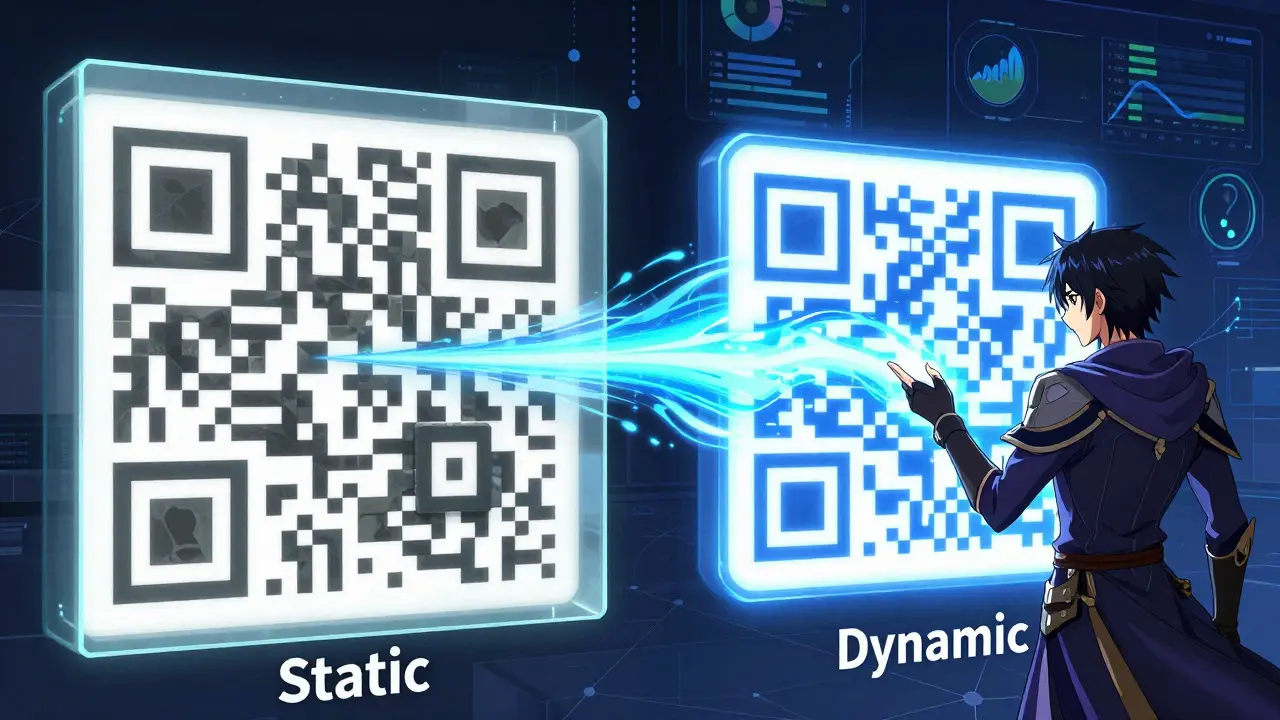
Static QR codes contain permanent destination URLs. Once printed, they cannot be changed. If the URL breaks or the content needs updating, you must reprint the label. These account for only 12% of pharmaceutical implementations because their lack of flexibility is a major drawback in healthcare, where information changes frequently.
Dynamic QR codes, on the other hand, represent 88% of industry use cases. They act as a redirect. You print the code once, but you can change the destination URL later through a dashboard. This means you can:
- Edit the landing page content without reprinting labels.
- Track scan analytics, including location, time, and device type.
- Set expiration dates for specific campaigns or recalls.
- Perform A/B testing to see which educational materials improve patient understanding most effectively.
For any serious healthcare application, dynamic QR codes are the standard. They offer 100% post-print destination flexibility, whereas static codes offer zero. Additionally, dynamic codes provide detailed geographic scan analytics, capturing 17 data points per scan, which helps pharmacies understand patient behavior and optimize their services.
| Feature | Static QR Code | Dynamic QR Code |
|---|---|---|
| URL Editing After Print | No (0%) | Yes (100%) |
| Analytics Tracking | None | 17 Data Points (Location, Device, Time) |
| Content Updates | Requires Reprinting | Instant Dashboard Update |
| Best For | Evergreen, Unchanging Info | Medical Instructions, Recalls, Education |
| Market Adoption | 12% | 88% |
Design Rules for Scannable Prescription Labels
You might think any QR code generator will do, but healthcare has strict requirements. A blurry or poorly placed code leads to frustration and abandoned scans. To ensure high success rates, follow these technical specifications based on ISO/IEC 18004:2015 standards.
Size and Quiet Zone: Your QR code needs a "quiet zone"-a clear border around the code. The minimum requirement is 4 modules (the smallest squares in the code) of white space. Without this, scanners struggle to distinguish the code from surrounding text or graphics. For reliable scanning at standard reading distances, aim for a minimum printing area of 1.5 inches square. On curved surfaces like vials, increase the size by 30% to compensate for distortion.
Contrast and Color: High contrast is non-negotiable. The code should be dark, and the background light. Aim for a contrast ratio of at least 70%. Avoid low-contrast combinations like yellow on white. While colored QR codes look nice, black on white remains the most universally scannable option, especially under varied lighting conditions.
Placement Matters: Place the code away from package seams, folds, or areas likely to be covered by hands. Test your design in real-world conditions. Freyr Solutions recommends validating your codes across 12+ scenarios, including glossy packaging under fluorescent lighting (minimum 300 lux) and matte brochures held at 45-degree angles.
Integrating with Pharmacy Systems
A standalone QR code is useful, but a connected ecosystem is powerful. Modern digital prescription tools integrate directly with existing pharmacy infrastructure. Here is how the data flows:
- EHR Integration: Using HL7 FHIR APIs, QR code systems can pull patient-specific data from Electronic Health Records. This allows the landing page to display personalized reminders or interaction warnings based on the patient's current medication list.
- Pharmacy Management Systems: Integration via NCPDP SCRIPT standards ensures that the digital label matches the dispensed medication exactly, reducing dispensing errors.
- Patient Engagement Platforms: With OAuth 2.0 authentication, patients can securely log in to view their history, request refills, or chat with pharmacists directly from the QR landing page.
Clappia, a platform specializing in workflow automation, released version 3.7 of their medication dispenser platform in March 2024. It adds real-time inventory tracking with 99.2% accuracy, verified by independent testing at the University of Michigan Health System. This level of integration turns a simple label into a hub for comprehensive care management.
Overcoming Accessibility Challenges
One of the biggest criticisms of digital-only solutions is the "digital divide." Not everyone has a smartphone, and not everyone knows how to use one. Dr. Michael Rodriguez, Chief Medical Officer at Johns Hopkins Hospital, warned in a 2024 JAMA Internal Medicine commentary about digital divides exacerbating health disparities. His concern is valid: a 2023 study showed that 38% of patients over 65 require assistance scanning QR codes, compared to only 12% of younger patients.
To address this, your implementation must include fallback mechanisms:
- Hybrid Labeling: Always keep essential information (drug name, dosage, expiry date) on the physical label. The QR code should enhance, not replace, basic visibility.
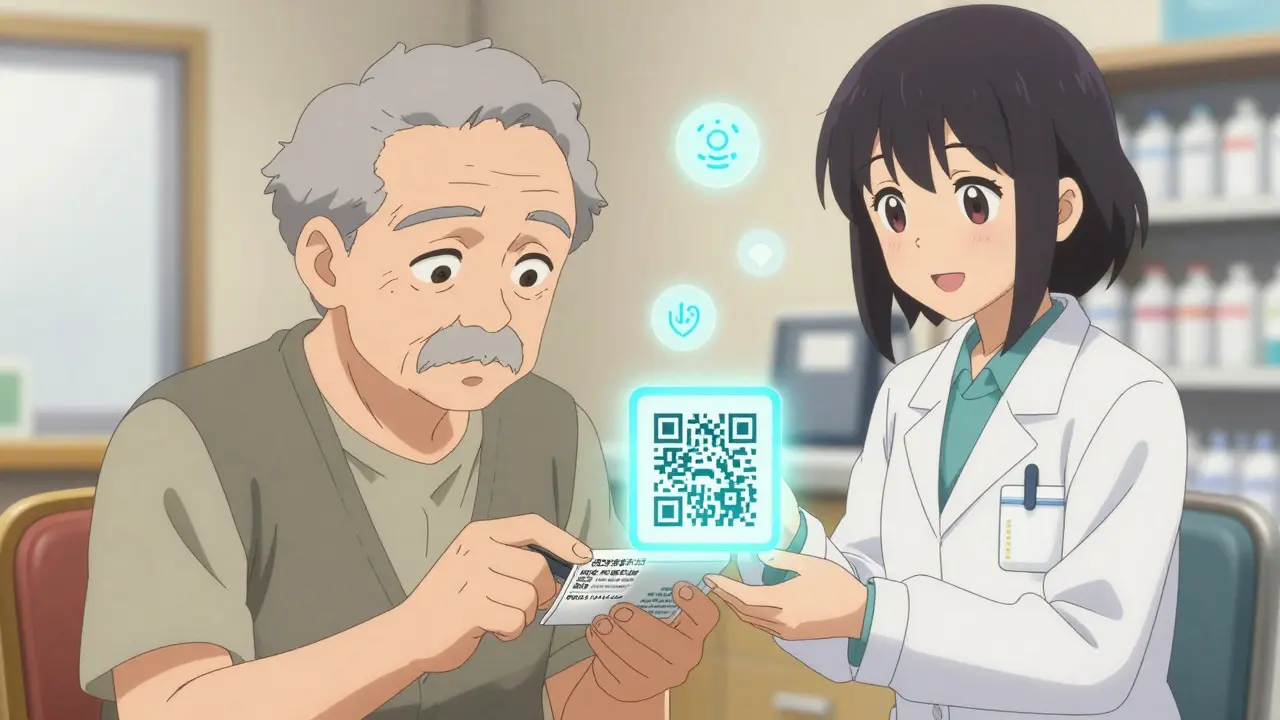
- Staff Assistance: Train pharmacy staff to help patients scan codes. Saint Francis Hospital’s Diabetes QR Code Postcard initiative achieved an 83% patient engagement rate partly due to proactive staff involvement.
- Accessible Design: Ensure landing pages are compatible with screen readers. The Access Board endorsed QR codes as a tool for visually impaired patients, noting 87% compatibility with standard smartphone accessibility features. However, this only works if the website itself is built with WCAG guidelines in mind.
- Offline Options: For rural areas where connectivity is poor (23% of rural patients reported difficulties accessing digital content in a 2023 survey), consider providing printed summaries alongside the QR code.
Step-by-Step Implementation Guide
Ready to start? Follow this structured framework adapted from sQR.me’s Pharmaceutical QR Code Implementation Framework:
- Regulatory Assessment (2-3 weeks): Check local laws. In the EU, draft legislation suggests mandatory QR codes for all prescriptions by 2026. In Singapore, the HSA pilot requires specific safety info on physical labels. Align your strategy with current regulations.
- Content Strategy (1-2 weeks): Decide what goes behind the code. Will it be a PDF insert? An interactive video? A refill portal? Keep it simple. Users want quick answers, not a thesis.
- Technical Integration (3-8 weeks): Connect your QR generator to your pharmacy software. Ensure single sign-on (SSO) capabilities for secure patient access.
- Staff Training (40-80 hours per facility): Don’t underestimate this. Clappia’s training manual documents 4.7 hours of hands-on instruction needed for pharmacy staff to reach proficiency. Teach them how to troubleshoot scanning issues and explain the benefits to skeptical patients.
- Patient Education (2-4 weeks): Launch a campaign. Use posters, social media, and in-store demos to show patients how easy it is to scan. Highlight benefits like "Never miss a dose" or "See side effects in plain English."
- Performance Monitoring (Ongoing): Review scan analytics weekly. Are people dropping off before reading the instructions? Is the load time too slow? Aim for a 0.5-second average load time, as recommended by Google’s Core Web Vitals.
The Future of Digital Prescriptions
We are only at the beginning. The global pharmaceutical QR code market is projected to grow from $287 million in 2023 to $1.2 billion by 2028. We are seeing the rise of AI-powered medication interaction checkers within QR landing pages, announced by Freyr Solutions in May 2024. Imagine scanning a code and getting an instant alert: "Warning: This medication interacts with your blood pressure pill."
Future trends also include dynamic multilingual content delivery. Global Vision demonstrated in April 2024 how QR landing pages can automatically detect user language preferences, serving instructions in Spanish, Mandarin, or Arabic without extra effort from the patient. This is a game-changer for diverse communities.
As regulations tighten and technology improves, digital prescription labels will become the norm, not the exception. By starting now, you position yourself ahead of the curve, improving patient safety and satisfaction while streamlining your own operations.
Are QR codes on prescription labels legally compliant?
Compliance depends on your region. The FDA supports electronic labeling for medical devices and has provided guidance since 2013. Singapore launched an e-labeling pilot in April 2024, requiring key safety info on physical labels with full details via QR. The European Medicines Agency endorsed QR codes in 2023. Always consult local regulatory bodies, but generally, QR codes are accepted as long as critical information remains accessible offline or via alternative means.
What is the best size for a QR code on a medicine bottle?
Aim for a minimum of 1.5 inches square for flat surfaces. For curved surfaces like vials, increase the size by 30% to ensure scannability. Ensure a quiet zone (clear border) of at least 4 modules around the code. High contrast (dark code, light background) is also essential for reliable scanning.
Do I need a dynamic or static QR code for my pharmacy?
You almost certainly need a dynamic QR code. Dynamic codes allow you to update the destination URL and track analytics without reprinting labels. This is crucial for recalling drugs, updating side effect information, or changing landing page designs. Static codes are rigid and account for only 12% of pharmaceutical implementations.
How do QR codes help elderly patients who aren't tech-savvy?
While 38% of patients over 65 may need assistance, QR codes can still benefit them if implemented correctly. Use large, high-contrast codes. Provide staff assistance during pickup. Ensure the landing page is simple, with large text and voice-over capabilities. Hybrid labeling keeps essential info on the bottle, so the QR code is an optional enhancement rather than a barrier.
Can QR codes integrate with Electronic Health Records (EHR)?
Yes. Using HL7 FHIR APIs, QR code platforms can connect to EHR systems. This allows for personalized content, such as displaying specific drug interactions based on the patient's current medication list stored in their health record. It creates a seamless bridge between digital health data and physical medication.