
Imagine your doctor tells you that your LDL cholesterol is too high and you need medication. The standard answer has been statins for decades. But what if they cause muscle pain? What if you have a specific medical history that makes them risky? You are not alone in wondering if there is a better way to manage your cardiovascular risk.
Cholesterol-lowering medications are drugs designed to reduce the levels of harmful fats in your blood to prevent heart attacks and strokes. While Statins remain the gold standard for most people, they are no longer the only option. Today, we have powerful alternatives like PCSK9 inhibitors and Ezetimibe. This guide breaks down how these drugs work, who should take them, and how to decide which path is right for your body.
The Gold Standard: How Statins Work
Statins have been around since the late 1980s, but their mechanism is still the most effective for lowering LDL cholesterol. They work by blocking an enzyme in your liver called HMG-CoA reductase. When this enzyme is blocked, your liver produces less cholesterol. To compensate, your liver pulls more LDL out of your bloodstream. It’s a simple, proven loop that saves lives.
The most common statins include Atorvastatin (Lipitor) and Rosuvastatin (Crestor). These two are heavily studied and widely prescribed. According to clinical data, low-dose statins can lower LDL by about 30%, while high doses can drop it by over 40%. For many patients, this is enough to significantly reduce the risk of a heart attack or stroke. The American Heart Association continues to recommend statins as the first choice for most adults with high cholesterol because the evidence base is massive and the cost is low.
However, statins are not perfect. About 7% to 29% of patients report muscle-related side effects, such as aches or weakness. While serious reactions like rhabdomyolysis are rare, these symptoms can be annoying enough that people stop taking the pill. If you find yourself skipping doses, your protection drops immediately. That is why understanding the alternatives is crucial.
When Statins Aren't Enough: The Role of Ezetimibe
If you tolerate statins well but your cholesterol remains stubbornly high, doctors often add Ezetimibe (brand name Zetia). Unlike statins, which stop production, ezetimibe stops absorption. It works in your intestines to block the uptake of dietary and biliary cholesterol. Less cholesterol enters your bloodstream, so your liver has to pull more from your blood to maintain balance.
Ezetimibe is generally very well tolerated. It doesn’t carry the same muscle-ache risk as statins. On its own, it lowers LDL by about 15% to 22%. That might sound modest compared to statins, but when combined with a statin, it adds another 6% to 10% reduction. This combination therapy is now a standard approach for patients who don’t hit their target numbers with statins alone. It is oral, taken once a day, and fits easily into existing routines.
The Heavy Hitters: PCSK9 Inhibitors
For patients with familial hypercholesterolemia or those at very high risk who cannot tolerate statins, PCSK9 inhibitors offer a dramatic solution. Drugs like Alirocumab (Praluent) and Evolocumab (Repatha) were introduced around 2015. They work by targeting a protein called PCSK9, which normally destroys LDL receptors in the liver. By blocking PCSK9, these drugs allow your liver to keep more receptors active, sweeping LDL out of your blood much faster.
The results are striking. PCSK9 inhibitors can lower LDL cholesterol by up to 60%. This is far beyond what statins or ezetimibe can do individually. They are administered as subcutaneous injections every two to four weeks. While the idea of injecting yourself might sound daunting, the pens are easy to use, similar to insulin pens. Many patients report that the peace of mind from seeing their numbers plummet outweighs the minor inconvenience of the injection.
There is also a newer option called Inclisiran (Leqvio), approved in 2021. It uses small interfering RNA technology to silence the gene that makes PCSK9. The big advantage here is convenience: you only need two injections per year. This is a game-changer for adherence, especially for people who struggle with frequent dosing schedules.
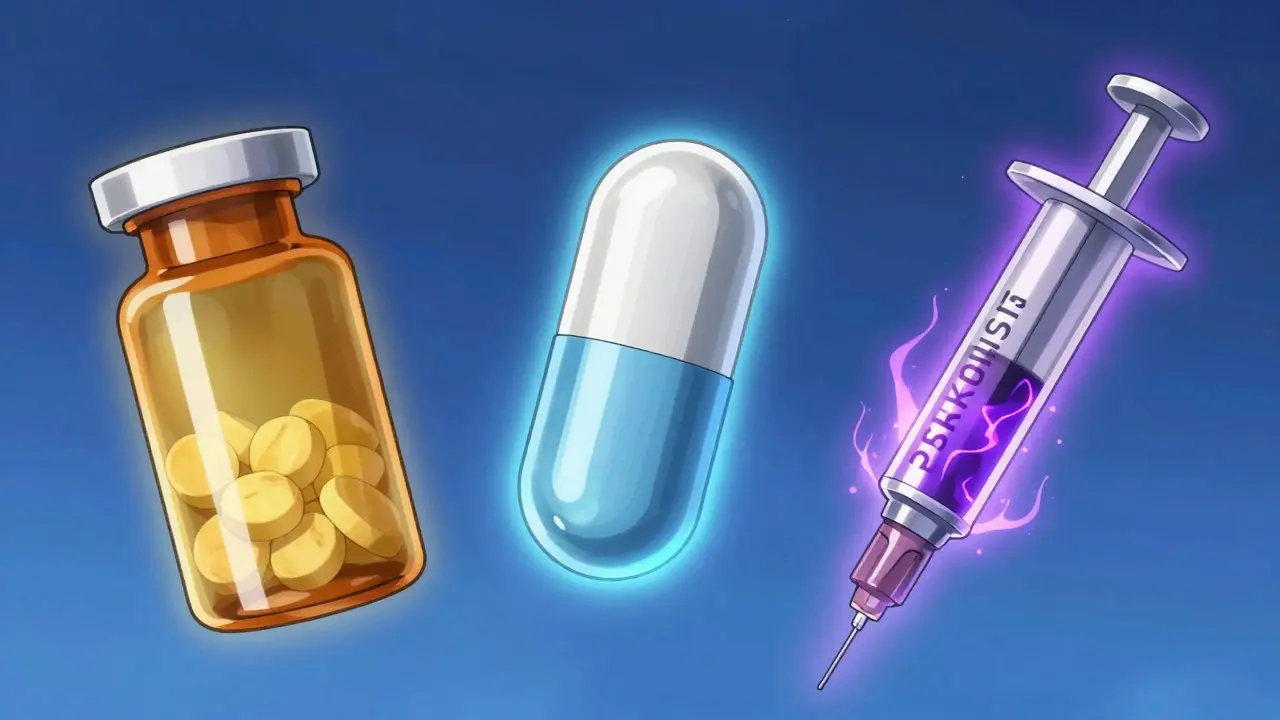
Cost and Accessibility: The Real-World Barrier
Here is where the conversation gets complicated. Generic statins are incredibly cheap, often costing less than $4 per month. Ezetimibe is also available as a generic and is affordable. PCSK9 inhibitors, however, are expensive. Without insurance coverage, they can cost nearly $6,000 per year. Even with insurance, prior authorization hurdles are common. Many patients report multiple denials before getting approval, which can delay treatment during a critical window.
This price gap creates a significant divide in care. Patients with private insurance or employer plans may access these advanced therapies relatively easily. Those relying on Medicare or Medicaid face stricter criteria. Doctors must prove that statins failed or caused severe side effects before insurers will cover PCSK9 inhibitors. This bureaucratic friction means that some patients who could benefit greatly from these drugs end up stuck with less effective options simply due to cost.
Comparing Your Options: A Side-by-Side Look
| Medication Class | Example Brands | LDL Reduction | Administration | Avg. Monthly Cost (Generic/Brand) |
|---|---|---|---|---|
| Statins | Lipitor, Crestor | 30% - 50% | Oral (Daily) | $4 - $10 / $150+ |
| Ezetimibe | Zetia | 15% - 22% | Oral (Daily) | $10 - $20 / $100+ |
| PCSK9 Inhibitors | Praluent, Repatha | Up to 60% | Injection (Every 2-4 weeks) | N/A / $500+ |
| Inclisiran | Leqvio | 40% - 50% (with statin) | Injection (Twice Yearly) | N/A / $500+ |

Choosing the Right Path for You
So, how do you decide? It comes down to three factors: your baseline risk, your tolerance for side effects, and your financial situation. If you are young, healthy, and just starting treatment, a moderate-intensity statin is usually the best starting point. It is cheap, effective, and well-studied. If you develop muscle aches, don’t quit immediately. Talk to your doctor. Switching to a different statin or trying alternate-day dosing often resolves the issue.
If you have already tried two different statins and still have side effects, or if your LDL remains high despite maximum statin therapy, it is time to consider adding ezetimibe. This is a logical next step that keeps you on oral medications. If you have a genetic condition like familial hypercholesterolemia, or if you have had a recent heart attack and your LDL is still above target, PCSK9 inhibitors become a strong candidate. The magnitude of LDL reduction they offer is unmatched.
Remember, supplements like red yeast rice or fish oil are not substitutes for these pharmaceuticals. While they may help slightly, they lack the rigorous testing and consistent potency of prescription drugs. Dr. Christopher Cannon of Harvard Health noted that if you need to lower LDL significantly, "a statin works, and these supplements do not." Relying on unregulated products when you have high cardiovascular risk can be dangerous.
Frequently Asked Questions
Are statins safe for long-term use?
Yes. Decades of data show that statins are safe for long-term use in the vast majority of patients. The FDA removed routine liver enzyme monitoring requirements in 2012 due to their established safety profile. Serious side effects like muscle breakdown are extremely rare. Most patients take statins for years without issue.
Can I switch from a statin to a PCSK9 inhibitor directly?
Usually, yes, but it depends on your insurance and medical history. If you cannot tolerate statins, your doctor may prescribe a PCSK9 inhibitor as monotherapy. However, because these drugs are expensive, insurers often require proof that statins failed. Your doctor will document your side effects or lack of response to justify the switch.
Which drug lowers cholesterol the most?
PCSK9 inhibitors currently offer the highest LDL reduction, dropping levels by up to 60%. Inclisiran, a newer injectable, offers similar reductions when combined with a statin. High-dose statins typically achieve 40-50% reduction. Ezetimibe provides a smaller reduction, around 15-20%, but is useful as an add-on therapy.
Do I need to change my diet if I am on medication?
Absolutely. Medication is not a license to eat poorly. A heart-healthy diet rich in fiber, fruits, vegetables, and lean proteins complements medication. Dietary changes can lower LDL by 10-15% on their own. Combining lifestyle changes with medication yields the best outcomes and may even allow for lower drug doses over time.
How long does it take for these medications to work?
Statins typically reach their full effect within 4 to 12 weeks. Ezetimibe shows similar timelines. PCSK9 inhibitors act quickly, often showing significant LDL drops within the first month. Your doctor will schedule follow-up lipid panels to monitor your progress and adjust the dose if necessary.