Antidepressants During Pregnancy
When you're pregnant and struggling with depression, the question isn't just antidepressants during pregnancy—it's what happens if you don't take them. Depression during pregnancy affects nearly 1 in 7 women, and untreated, it can lead to preterm birth, low birth weight, and even long-term emotional challenges for the child. SSRIs, a common class of antidepressants including sertraline and citalopram, often used during pregnancy because they have the most safety data, are not risk-free, but they’re often safer than leaving depression unmanaged. Prenatal depression, a serious condition that can interfere with bonding, nutrition, and prenatal care, is not a sign of weakness—it’s a medical issue that needs attention, just like high blood pressure or gestational diabetes.
The biggest fear? Birth defects. But studies tracking over 100,000 pregnancies show that most SSRIs don’t increase the risk of major malformations. Some, like paroxetine, carry a slightly higher chance of heart defects, which is why doctors often avoid it. Medication safety, in pregnancy, isn’t about avoiding all drugs—it’s about choosing the right one at the right dose. Sertraline is usually the first choice because it crosses the placenta less than others and has the least evidence of harm. Fluoxetine stays in the body longer, which can mean withdrawal symptoms in newborns—like jitteriness or feeding trouble—but those usually fade in days. The real danger? Stopping meds cold turkey. Up to 70% of women who discontinue antidepressants during pregnancy relapse, and a severe depressive episode can be far more harmful to both mother and baby than the medication itself.
It’s not just about pills. Therapy, exercise, and support groups can help—but not always enough. Many women need both. Pregnancy and mental health, isn’t a phase you’re expected to power through. Your brain chemistry matters as much as your blood sugar. The goal isn’t to be perfectly calm—it’s to be stable enough to care for yourself and your growing baby. The posts below give you real, evidence-based answers: which antidepressants are safest, what the withdrawal symptoms really look like, how to talk to your OB about your fears, and what alternatives exist when meds aren’t an option. No speculation. No fearmongering. Just what works, what doesn’t, and what you need to decide with your doctor.
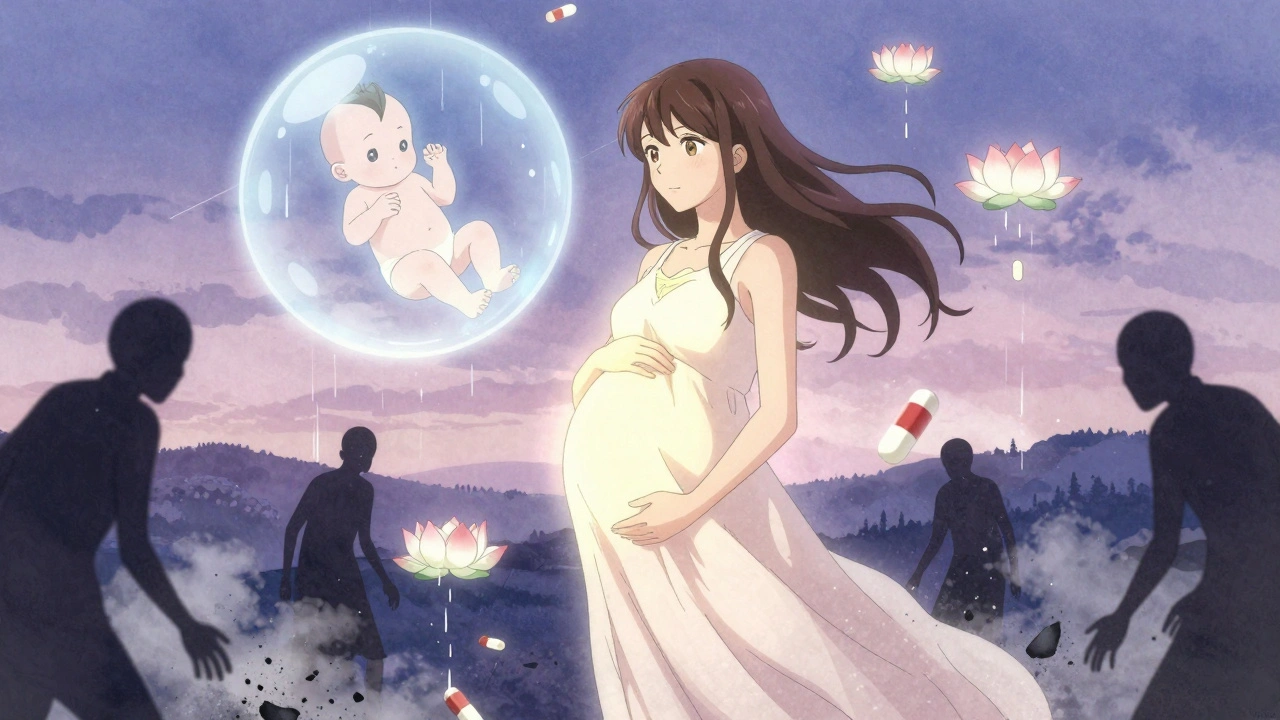
Antidepressant Use in Pregnancy: What You Need to Know About Side Effects and Safety
Antidepressants like sertraline are safe and often necessary during pregnancy. Untreated depression poses greater risks to mother and baby than medication. Learn the facts about side effects, birth defects, and long-term outcomes.
View MoreLatest Posts