Expired Medicine Safety: What Happens When You Take Outdated Pills?
When you find an old bottle of painkillers or allergy pills in your medicine cabinet, you might wonder: expired medicine safety, the question of whether medications remain safe and effective after their printed expiration date. The truth? Most expired medications don’t turn poisonous. But they don’t always work like they should. The FDA and independent studies show that many pills retain at least 90% of their strength for years past the date on the label—if stored properly. Still, some drugs lose potency fast, and a few can become risky.
Not all expired medications are the same. Antibiotics like tetracycline can break down into toxic compounds. Insulin, nitroglycerin, and liquid antibiotics degrade quickly and may not work at all. On the other hand, acetaminophen, ibuprofen, and antihistamines often stay effective for years. Storage matters more than you think. Heat, moisture, and sunlight speed up breakdown. A bathroom cabinet is one of the worst places to keep pills. A cool, dry drawer is better. The medicine potency of your drugs isn’t just about the date—it’s about how they’ve been treated since you bought them.
What about emergency situations? If you’re out of your asthma inhaler and only have an expired one, using it is better than nothing. But don’t count on it. Same with heart medications or epinephrine auto-injectors. These aren’t the kind of pills you gamble with. If you’re managing a chronic condition, never rely on old meds. For minor issues like headaches or allergies, an expired pill might still help—but only if it looks and smells normal. Cracked, discolored, or smelly pills? Toss them. The pill safety rule is simple: when in doubt, throw it out. It’s not worth the risk.
Here’s what you’ll find in the articles below: real stories from people who took old meds, science-backed breakdowns of which drugs still work, and practical tips to avoid dangerous mistakes. You’ll learn how to check your medicine cabinet without panic, what to do when you run out before your refill, and how to store pills so they last longer. No fluff. Just what you need to stay safe—and save money—without guessing.
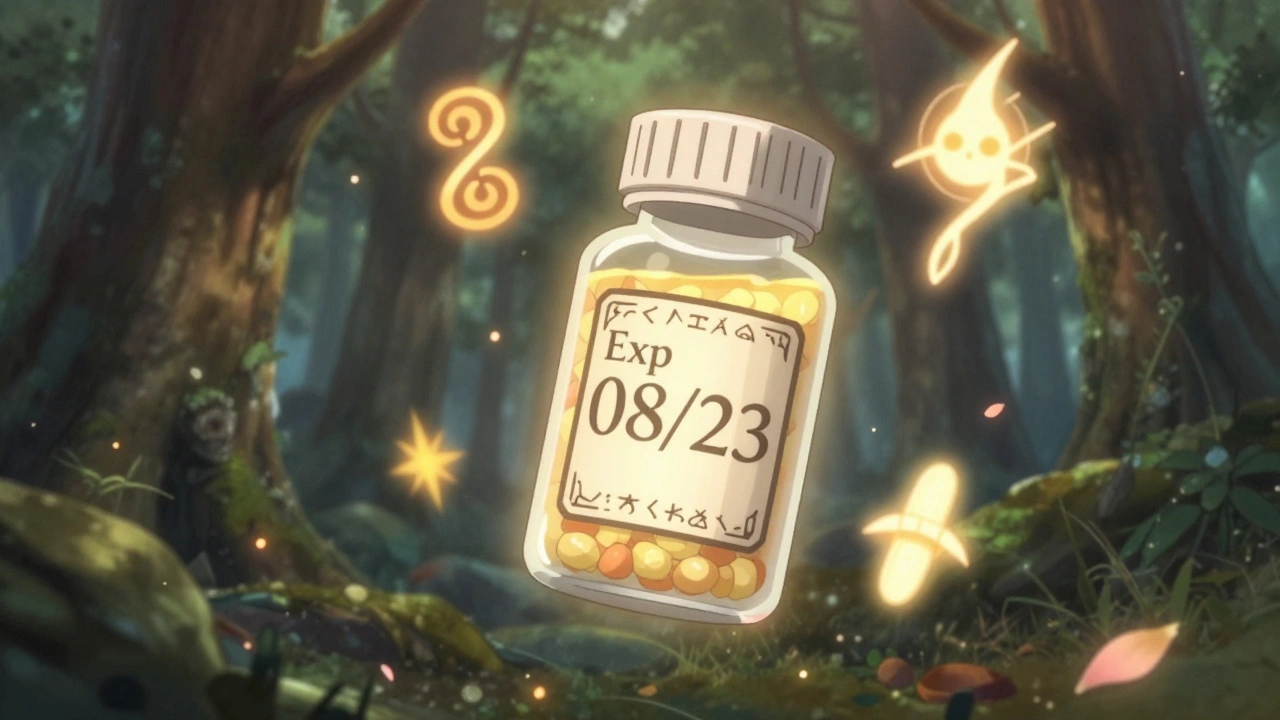
How to Read Expiration Dates on Medication Packaging Correctly
Learn how to read expiration dates on medication packaging correctly, understand what they really mean, which drugs are risky to use after expiring, and how storage affects safety. Avoid dangerous mistakes with your prescriptions and OTC meds.
View MoreLatest Posts