Linezolid: What It Is, How It Works, and What You Need to Know
When your infection won’t respond to regular antibiotics, doctors turn to linezolid, a synthetic antibiotic used for serious, drug-resistant bacterial infections. Also known by its brand name ZYVOX, it’s not your first-line treatment—it’s the backup plan when other drugs fail. Linezolid works differently than most antibiotics. Instead of stopping bacteria from building cell walls or making proteins the usual way, it shuts down their ability to make proteins at the very start. This makes it effective against stubborn bugs like MRSA and VRE, which laugh off penicillin, vancomycin, and other common drugs.
That same unique mechanism is also why linezolid comes with serious risks. It can interfere with your body’s natural chemicals, especially serotonin and norepinephrine. That means you can’t take it with SSRIs, SNRIs, decongestants, or even some herbal supplements like St. John’s wort. A dangerous reaction called serotonin syndrome can happen—think high fever, fast heartbeat, confusion, and muscle stiffness. You also need to watch your diet. Foods high in tyramine, like aged cheese, cured meats, and tap beer, can spike your blood pressure dangerously when mixed with linezolid. It’s not just about taking a pill; it’s about managing your whole lifestyle while on it.
Linezolid is also one of the few antibiotics that can cause nerve damage or bone marrow suppression over time. If you’re on it for more than two weeks, your doctor will likely check your blood counts and watch for tingling or numbness in your hands and feet. It’s not something you take casually. But when you have a life-threatening infection that won’t quit, linezolid can be the only thing standing between you and worse outcomes. That’s why it’s often used in hospitals for patients with pneumonia, skin infections, or blood infections caused by resistant bacteria.
You’ll find posts here that dig into how linezolid compares to other antibiotics like vancomycin or daptomycin, what real patients report about side effects, and how to avoid dangerous interactions with common meds like antidepressants or pain relievers. There’s also guidance on what to do if you miss a dose, how long treatment usually lasts, and why some people need blood tests while others don’t. This isn’t just about the drug itself—it’s about understanding how to use it safely, when it’s truly needed, and how to spot trouble before it gets serious.
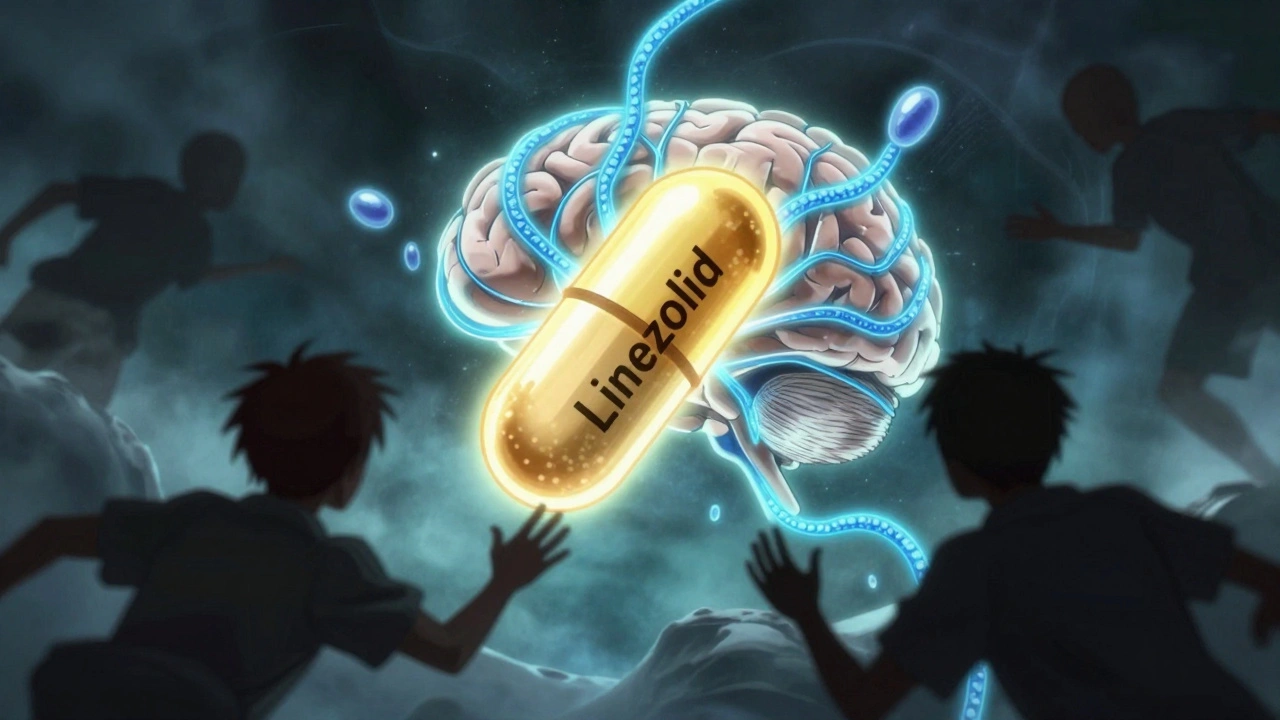
Linezolid and Serotonin Syndrome: What You Need to Know About the Risk with Antidepressants
Linezolid can interact with antidepressants and trigger serotonin syndrome, but recent studies show the risk is very low. Learn who’s truly at risk and how to stay safe while using this critical antibiotic.
View MoreLatest Posts