Drug Pricing: What You Pay and Why It Matters
When you walk into a pharmacy and see the price of your medication, you’re not just seeing a number—you’re seeing the result of a tangled system involving drug pricing, the cost structure behind how medications are sold to consumers. Also known as medication costs, it’s shaped by manufacturers, pharmacy benefit managers, insurers, and state laws. That $4 pill might cost the pharmacy $1. That $400 shot might be priced at $1,200 because of how rebates and spreads work. You’re not being overcharged—you’re caught in the middle of a system designed to hide the real costs.
Generic drugs, lower-cost versions of brand-name medications approved by the FDA. Also known as generic medication, they’re supposed to cut prices by 80% or more—but that doesn’t always happen. Why? Because pharmacy benefit managers (PBMs) often steer patients toward pricier generics that give them bigger rebates. And even when a generic is cheaper, your copay might not drop if your insurance plan doesn’t adjust its tiers. Meanwhile, pharmacy reimbursement, how much pharmacies get paid by insurers to fill prescriptions. Also known as MAC pricing, it’s often so low that small pharmacies lose money on every generic they fill. That’s why some stores stop carrying certain drugs—or close altogether. The result? You might drive farther, pay more, or go without.
Drug pricing isn’t just about pills—it’s about access. When a life-saving drug like insulin or EpiPen spikes in price, it’s not because production costs rose. It’s because the system allows it. And when insurers force you to switch from a brand to a generic, they’re not always thinking about your health—they’re thinking about their bottom line. That’s why knowing your rights matters. Some states now require pharmacists to tell you if a cheaper option exists. Others ban surprise charges at the counter. You don’t need a degree in healthcare policy to protect yourself—you just need to ask: Is this the lowest price I can get? Can I pay cash instead? Is there a patient assistance program?
The posts below dig into exactly how this system works—and how to fight back. You’ll find real stories from people who got stuck with $500 prescriptions, guides on how to use the FDA’s drug database to verify pricing, breakdowns of how PBMs make money off your copay, and state-by-state rules that could save you hundreds. You’ll also learn why some generics cost more than the brand, how reimbursement laws are pushing pharmacies to the edge, and what the new $2 Medicare drug list really means for your next refill. This isn’t theory. It’s what’s happening right now, in your town, at your pharmacy, on your receipt. And you deserve to understand it.
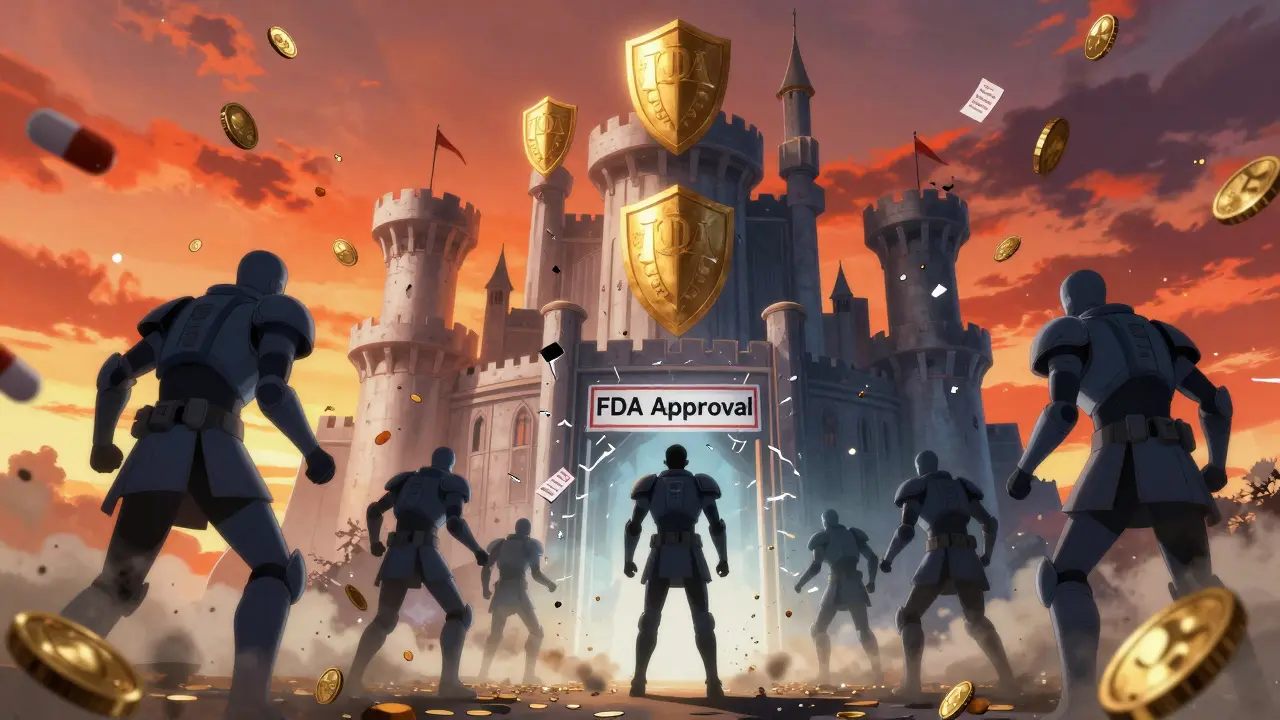
How Generic Drugs Are Reshaping Brand Pharmaceutical Economics
Generic drugs save the U.S. over $330 billion a year, but brand manufacturers face massive revenue losses when patents expire. Learn how generics drive prices down, how big pharma fights back, and why patients still overpay.
View More
Authorized Generics vs Brand Drugs: What You Need to Know About Identical Medications
Authorized generics are identical to brand-name drugs in every way except the label. Learn how they compare to regular generics, why they cost more, and when they're the best choice for your health.
View More
Manufacturing Cost Analysis: Why Generic Drugs Are So Much Cheaper
Generic drugs are up to 85% cheaper than brand-name versions because they avoid massive R&D costs, benefit from economies of scale, and operate under intense price competition. Here's how manufacturing cost analysis explains why generics dominate prescriptions but not spending.
View More
Future Role of Authorized Generics: Market Outlook
Authorized generics let brand manufacturers sell their own drugs at lower prices after patent expiry. Learn how they shape drug pricing, competition, and patient access in today's evolving pharmaceutical market.
View MoreLatest Posts