Author: Ian Roddick
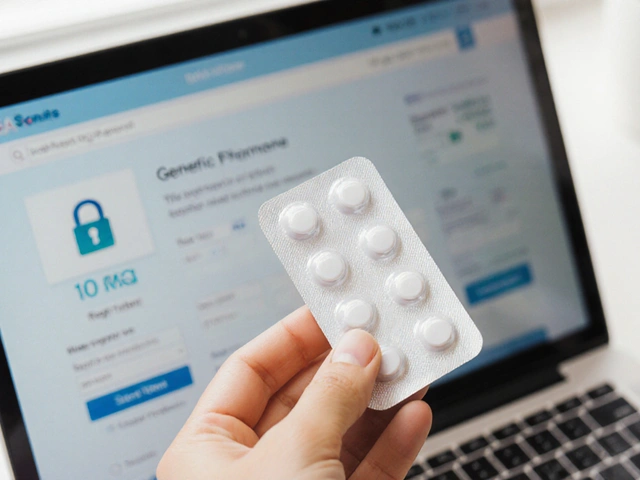
Health Literacy and Generic Medications: A Patient's Guide to Safety
Explore the link between health literacy and generic medications. Learn how visual differences impact patient safety and discover practical tools to understand your prescription.
View More
Physical Therapy for Pain: Exercise, Stretching, and Restoration
Physical therapy for pain uses exercise, stretching, and movement to reduce chronic and acute pain without drugs. Backed by science, it helps retrain your body and nervous system to move without fear.
View More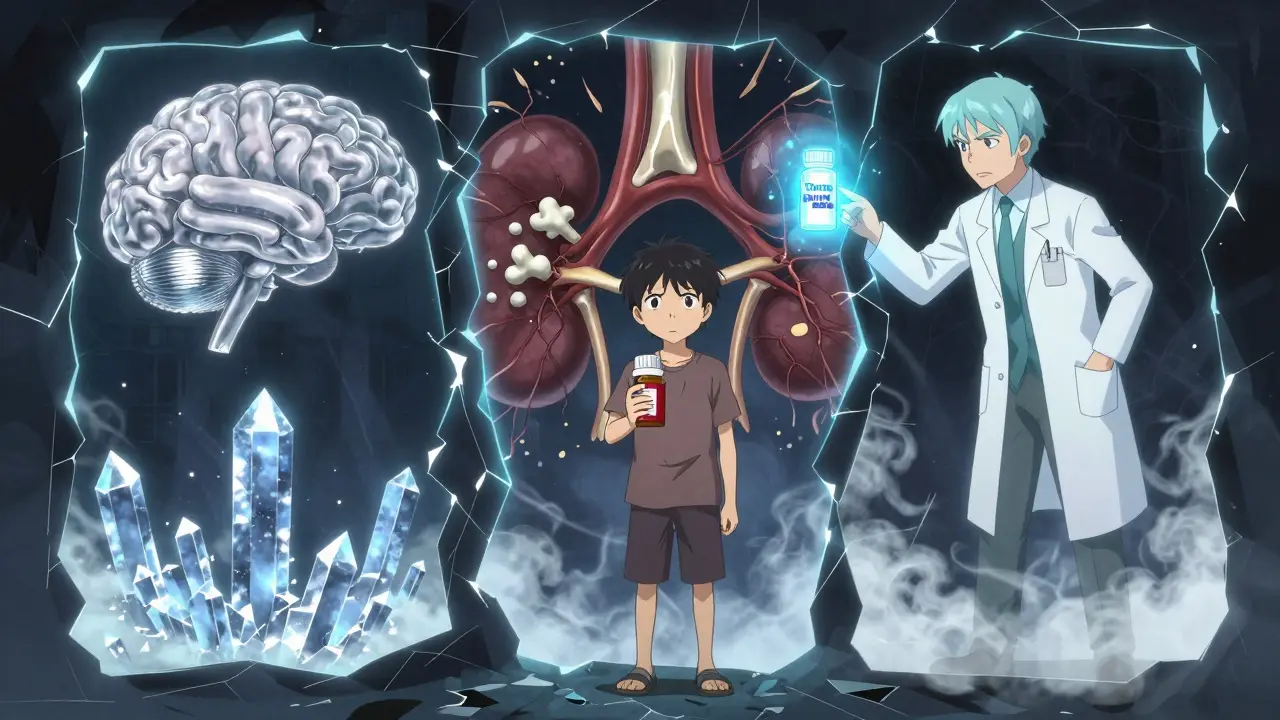
Antacids and Kidney Disease: What You Need to Know About Phosphate Binders and Risks
Antacids like Tums and Milk of Magnesia can be dangerous for people with kidney disease. They may cause aluminum toxicity, high calcium, or dangerous magnesium buildup. Learn when they're safe-and when they're not.
View More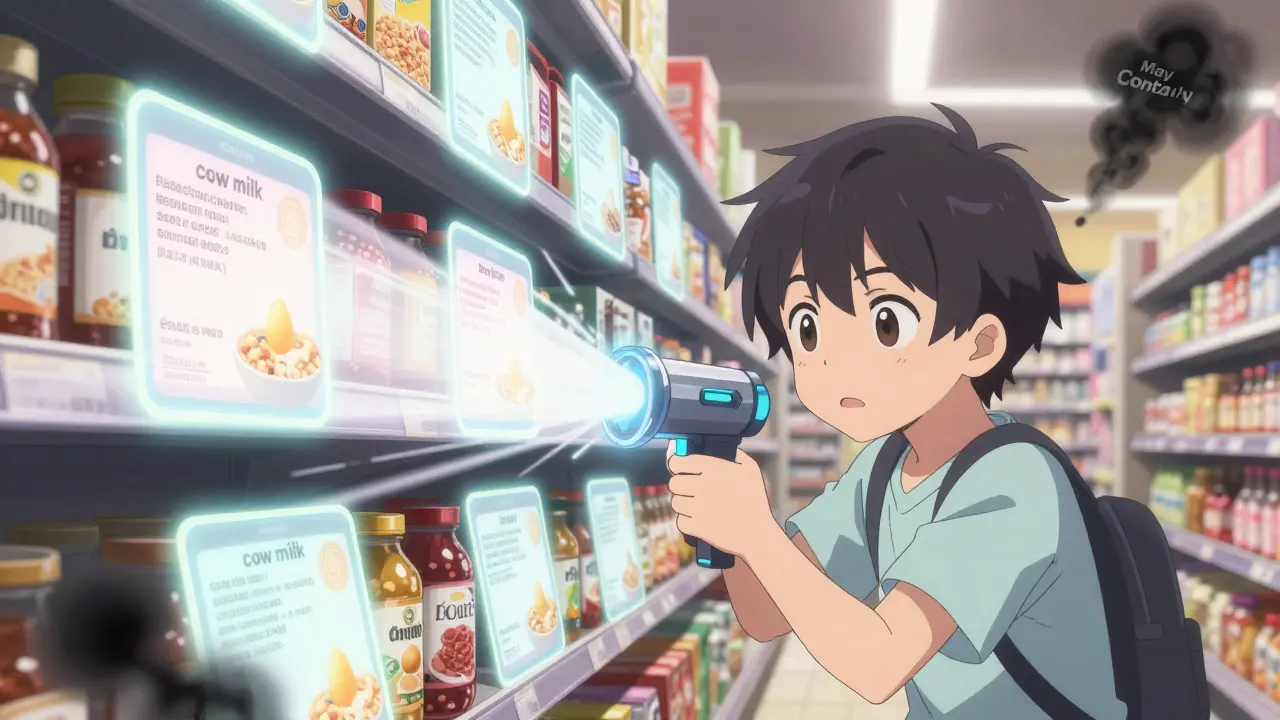
Food Labels and Allergies: Hidden Allergens and Safety in 2026
In 2026, food labels are more precise than ever. New FDA rules require specific allergen details like "goat milk" and "duck egg," remove coconut from tree nuts, and ban misleading "free-from" claims. Learn how to read labels safely.
View More
What Are Biosimilars? A Simple Guide for Patients
Biosimilars are highly similar versions of complex biologic drugs, offering the same effectiveness and safety at a lower cost. Learn how they differ from generics and why they matter for patients.
View More
Lower GI Bleeding: What You Need to Know About Diverticula and Angiodysplasia
Lower GI bleeding is common in older adults, often caused by diverticula or angiodysplasia. Learn how these conditions differ, how doctors diagnose them, and what treatments actually work - from colonoscopy to new drugs like thalidomide.
View More
How Generic Drugs Are Reshaping Brand Pharmaceutical Economics
Generic drugs save the U.S. over $330 billion a year, but brand manufacturers face massive revenue losses when patents expire. Learn how generics drive prices down, how big pharma fights back, and why patients still overpay.
View More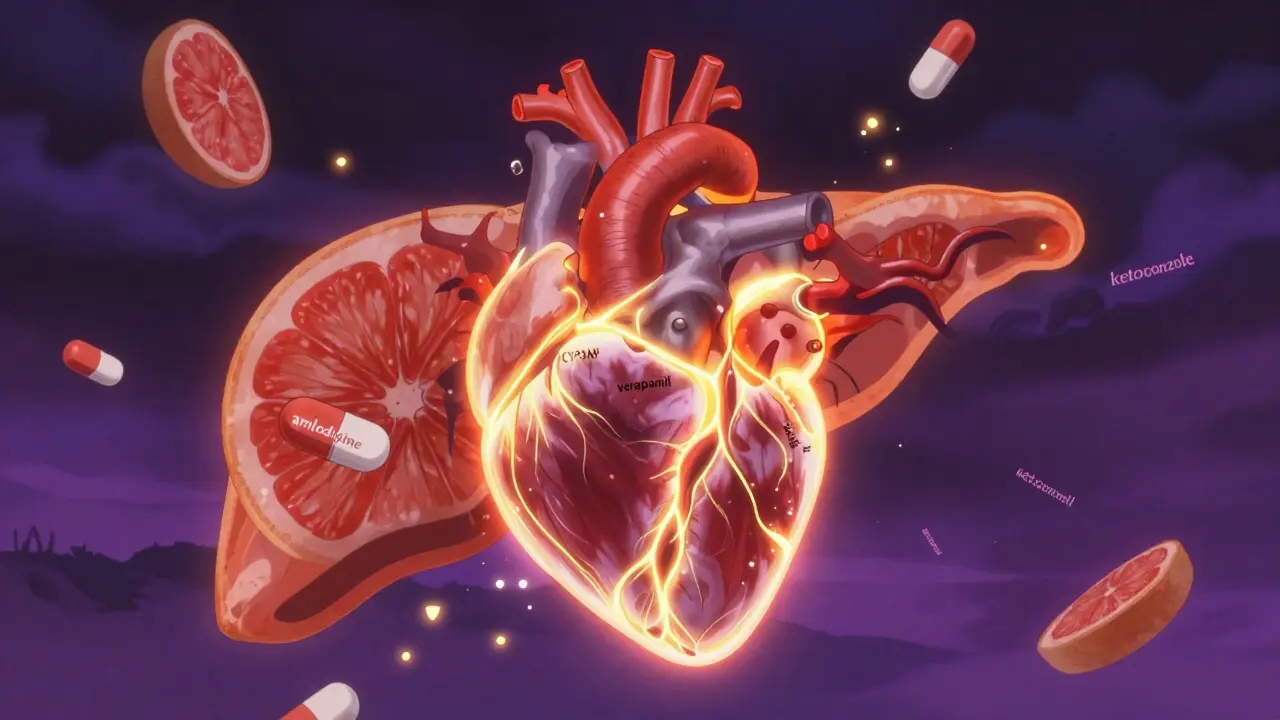
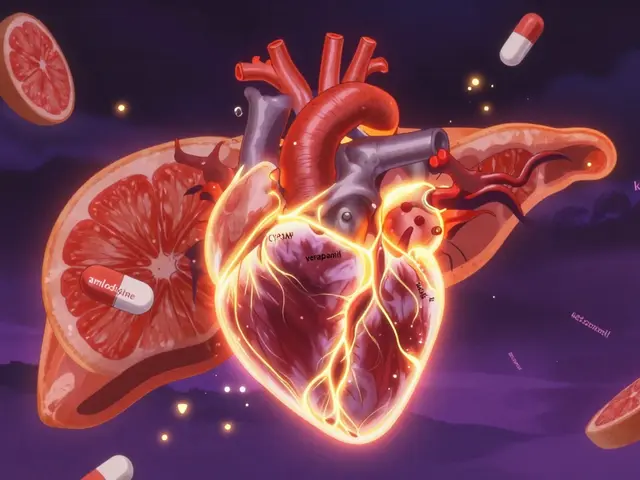
Calcium Channel Blockers: How Metabolic Interactions Affect Drug Clearance and Safety
Calcium channel blockers are widely used for high blood pressure and heart conditions, but their safety depends heavily on how they interact with other drugs and your liver's ability to clear them. Learn which ones are safest and how to avoid dangerous interactions.
View More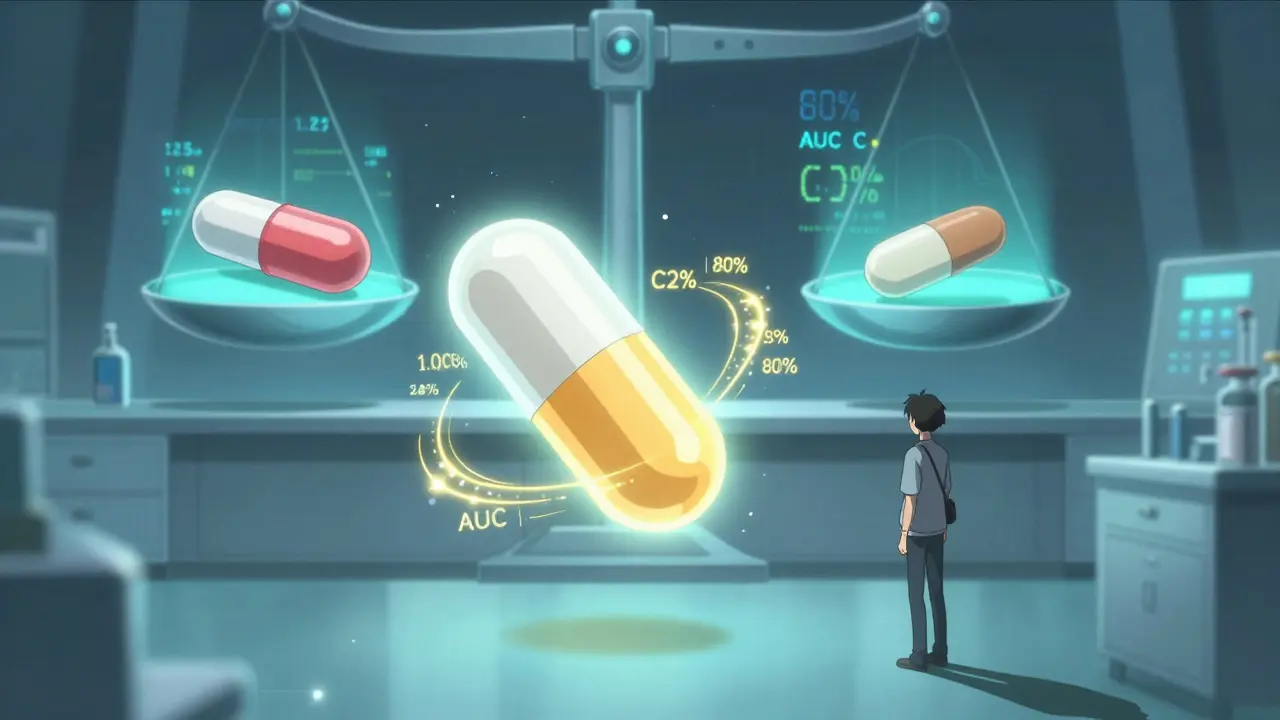
Bioequivalence and Patient Safety: Why Testing Ensures Safe Generic Medications
Bioequivalence testing ensures generic drugs work the same as brand-name versions, protecting patient safety while lowering costs. Learn how science keeps millions safe every day.
View More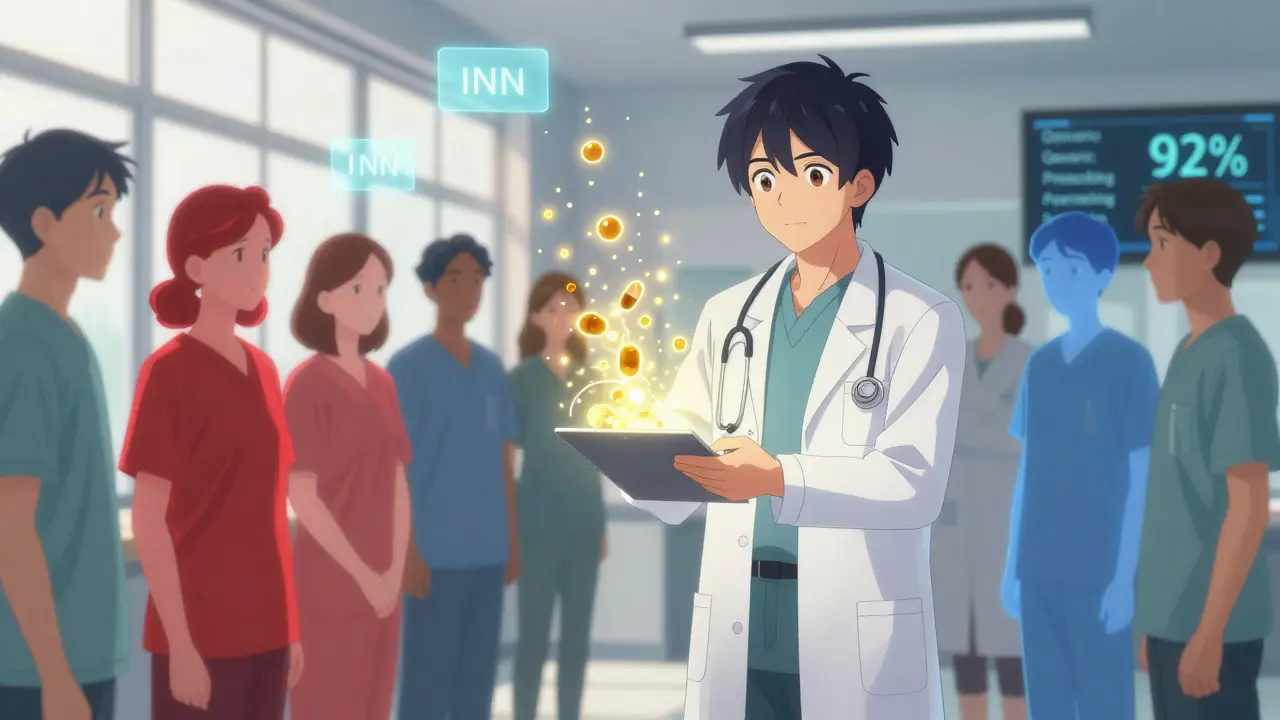
Generic Prescribing Guidelines: What Doctors Need to Know in 2026
Generic prescribing saves billions and improves adherence - but only when done right. Learn when to use generics, which exceptions matter, and how to explain the switch to patients.
View More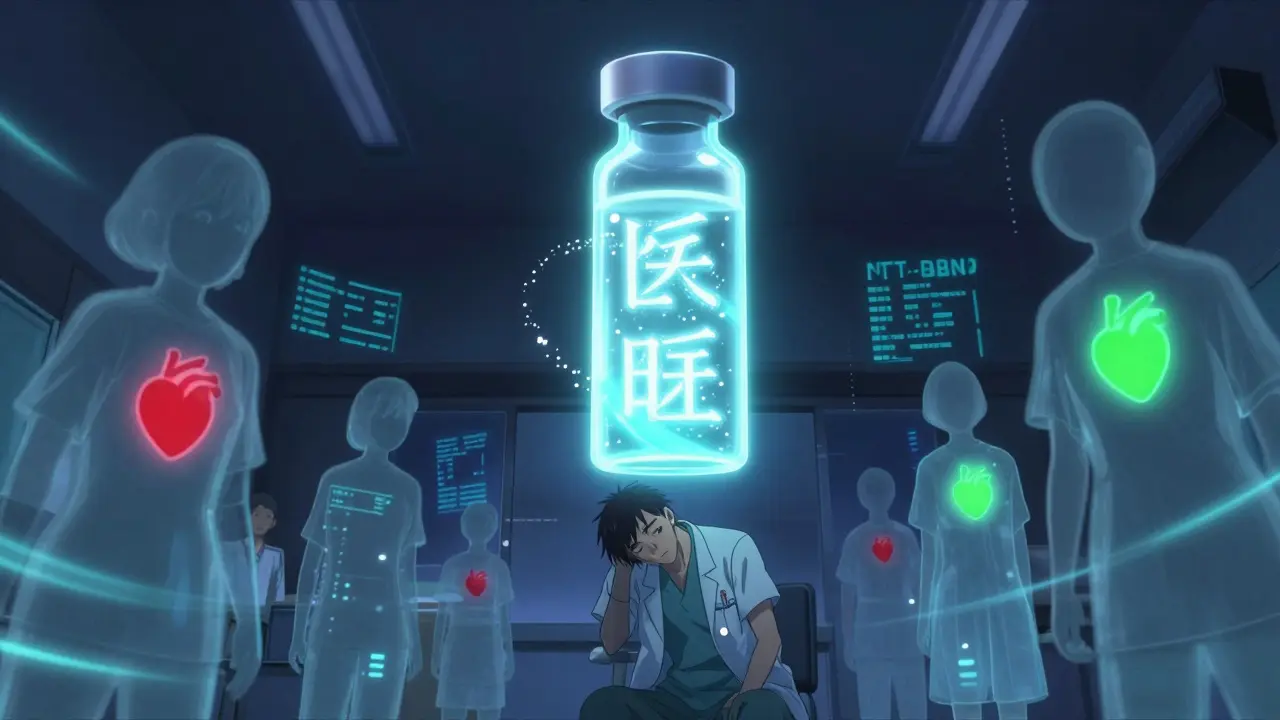
When to Order NT-proBNP Blood Tests: A Practical Guide for Clinicians
NT-proBNP blood testing is a critical tool for diagnosing heart failure. Learn when to order it, how to interpret results based on age and kidney function, and how it reduces unnecessary tests and hospitalizations.
View More
How to Address Allergies to Inactive Ingredients in Generics
Many people react to inactive ingredients in generic medications, not the active drug. Lactose, gluten, dyes, and preservatives can cause allergic reactions - even when the medicine is supposed to be the same. Learn how to identify hidden allergens and protect yourself.
View MoreLatest Posts